A Guide to Sealing and Resealing Natural Stone

December 12, 2023

Like we mentioned, regular cleaning of your floors will definitely go a long way in maintaining the appearance of your natural stone, but you have to make a few special considerations when caring for these materials. Namely when it comes to pH levels in your cleaning supplies. Make sure to only use pH-neutral stone cleaners specifically designed for your type of natural stone. Avoid acidic or abrasive cleaners that can harm the stone's surface.

Avoid Harsh Chemicals

Use Doormats and Entryway Rugs

Sealing

Check the sealant on your natural stone flooring. If it's been a while since it was sealed or if you notice water no longer beads on the surface, consider resealing the stone. This helps prevent moisture penetration and staining. Fall is an especially good time to reseal your flooring so that you can protect it from the upcoming wintery conditions.

Natural stone adds timeless beauty to your spaces, but to preserve its luster and durability, sealing is often essential. Different types of natural stone have unique characteristics, and not all require sealing. Here's a guide from Colorado Stone & Tile Care to help you understand which natural stones need sealing and signs indicating it's time for resealing.

Types of Natural Stone That Need Sealing

Travertine

This porous stone is prone to staining and benefits from sealing to prevent liquid penetration.

Marble

While marble has a polished surface, it can still absorb liquids. Sealing helps protect it from stains and etching.

Granite

Though granite is less porous, some varieties may benefit from sealing to enhance stain resistance.

Limestone

This soft and porous stone requires sealing to prevent damage from spills and moisture.

Slate

Sealing slate enhances its natural colors and provides protection against stains.

Sandstone

Often used in outdoor settings, sandstone should be sealed to resist weathering and staining.

Signs Your Natural Stone Needs Resealing

Now that we understand which types of stone benefit the most from regular sealing, let’s take a look at some signs that signal that it is time for you to reseal.

Water Absorption

If water drops are absorbed quickly into the stone, it might be time to reseal.

Stains

Visible stains or discoloration indicate that the stone's protective seal has worn off.

Dull Appearance

A loss of shine or gloss suggests that the sealant has diminished.

Etching

Acidic substances can etch the surface of some stones. Resealing helps prevent this.

Scratches and Wear

High-traffic areas may show signs of wear, indicating a need for resealing.

Fading Colors

If the vibrant colors of your stone have faded, resealing can revive its appearance.

Regularly inspecting your natural stone surfaces and understanding their unique sealing requirements can help you maintain their beauty and longevity. For professional advice and stone restoration services, contact Colorado Stone & Tile Care today. We would be happy to reseal your natural stone!

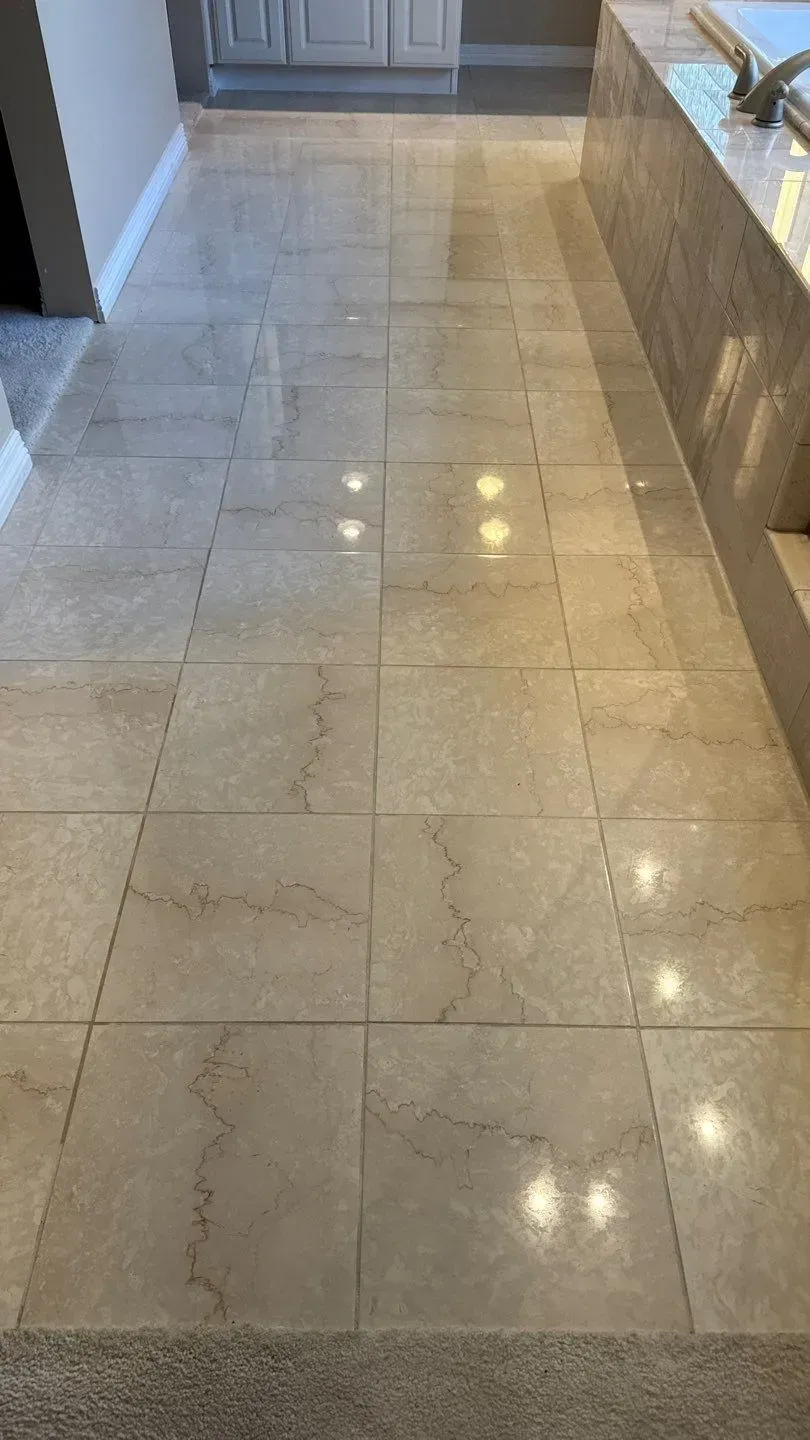
Shiny beige tiled hallway floor with reflections, leading to a doorway at the end.
August 18, 2026
Quick Answer: Polished stone has a mirror-like, reflective surface created by grinding it through progressively finer grits, while honed stone is stopped at a lower grit and left with a flat, matte-to-satin look with little to no reflection.
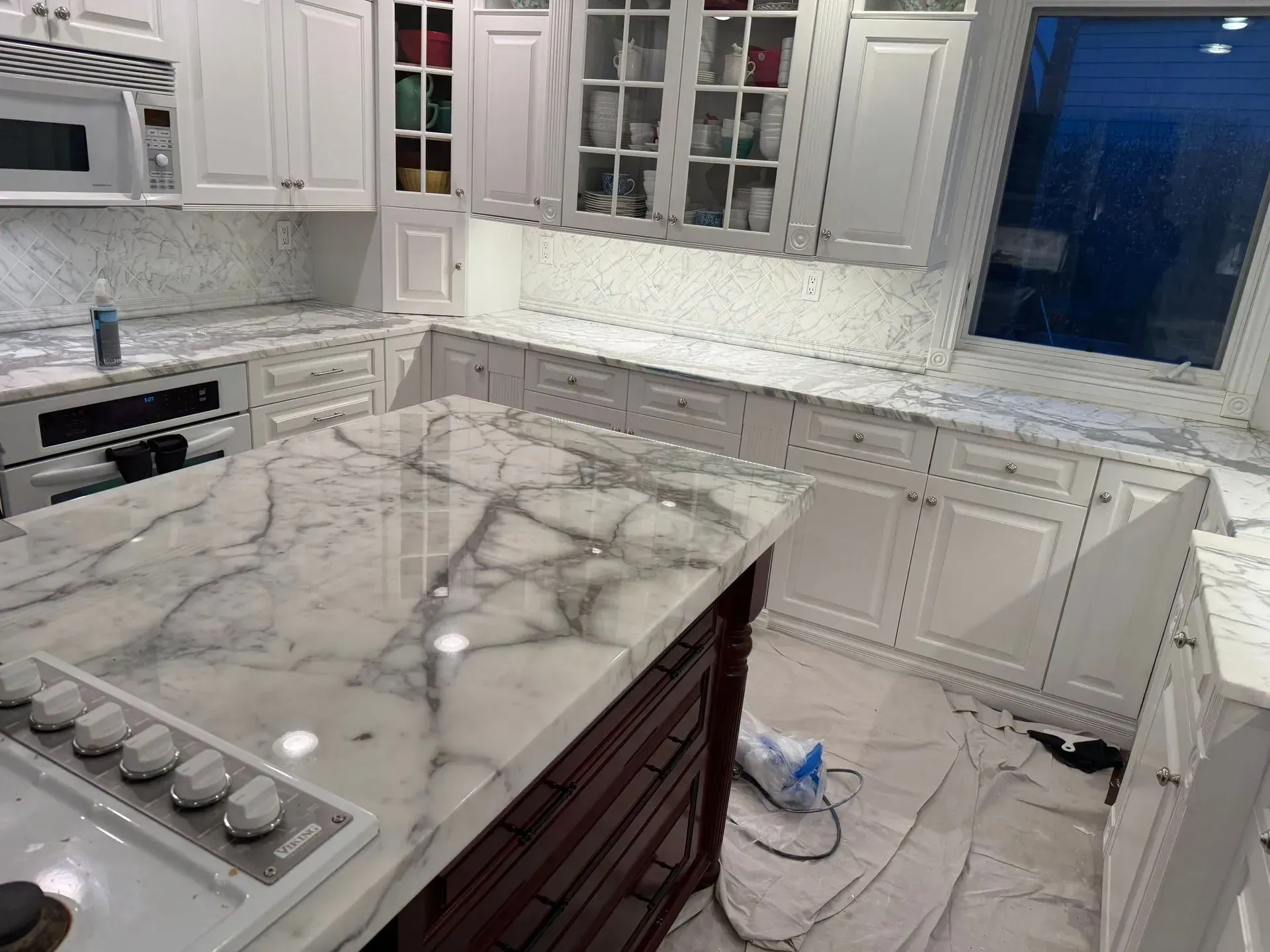
Modern kitchen with white cabinets, marble island, stainless appliances, and a dark window on the right
July 9, 2026
Marble countertops etch so easily because marble is made largely of calcium carbonate, and calcium carbonate reacts chemically with acid.
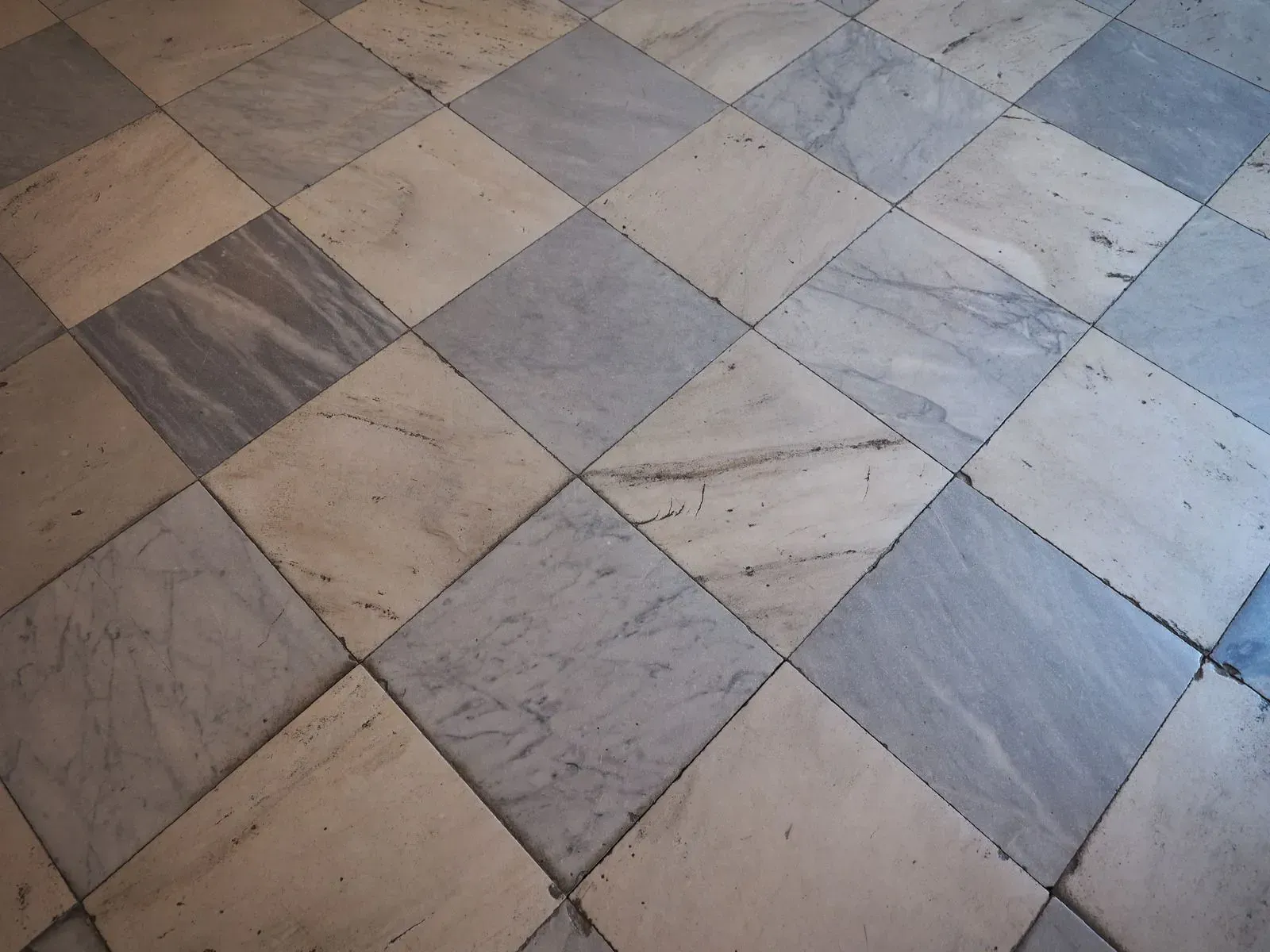
Diagonal pattern of gray and beige marble floor tiles in a checkerboard layout
June 12, 2026
Owning a vacation home in Colorado's mountain communities is one of the most rewarding real estate decisions a person can make. From the Roaring Fork Valley to Summit County and the San Juan Mountains, these properties sit inside some of the most geologically rich terrain in the country.