Etching and Your Natural Stone Counters

December 4, 2022

Marble countertops are luxurious and amazing for the home baker. Granite counters are a kitchen mainstay due to their price point and durability. Slate countertops are rustic and bold. All of these beautiful natural stones are seen in kitchens all across America for a reason, but they all have one enemy in common; etching. Etching can greatly detract from the natural beauty of these stones, but what can be done? What causes etching to occur and how can you prevent it or remove it?

What Causes Etching?

Natural stone is, well, natural. And natural things change and adapt over time. They react to the conditions around them. Etching is essentially erosion. Most commonly this is caused by your stone coming into contact with acidic things. Things that your countertops may come into contact with that have a high pH include tomatoes, wine, lemons, and some ready made cleaners.


Etching may look like rings or marks on countertops that won’t go away no matter how well you clean. Scars caused by etching may also feel rough or uneven to the touch.

What You Can Do About Etching

One of the best ways to combat etching is to prevent it from occurring in the first place. Your best and strongest defense against etching is sealing your stone. The protective seal on your stone is the first line of defense against corrosive scars. Ideally, you should have your countertops resealed every few years. If you are not sure if it is time for a resealing, you can always ask someone to come out and have and look at your stone.


In addition to sealing regularly, being mindful of what causes etching can help you minimize the contact these items have with your countertops. Anything you are cooking or preparing that is overly acidic, make sure to have a barrier between that item and your counters. For example, always use a cutting board when preparing lemons and tomatoes. It is also wise to check the pH level of any cleaner you plan on using on your counters. It should be stated on the back of the container. If the pH is too high, it is not compatible with your natural stone countertops. And because accidents happen, if you spill something like wine or vinegar onto your counters, be sure to clean it swiftly. Don’t allow it to dwell on the surface.


If prevention is out of the question and etching has already occurred, that’s where we come in. Colorado Stone & Tile Care will come in and refinish your countertops to remove any scars. And for those with marble counters, we can apply an extra layer of protection with our More ™ AntiEtch ™ coating. No matter what mars the look of your natural stone surfaces, we can restore their beauty.

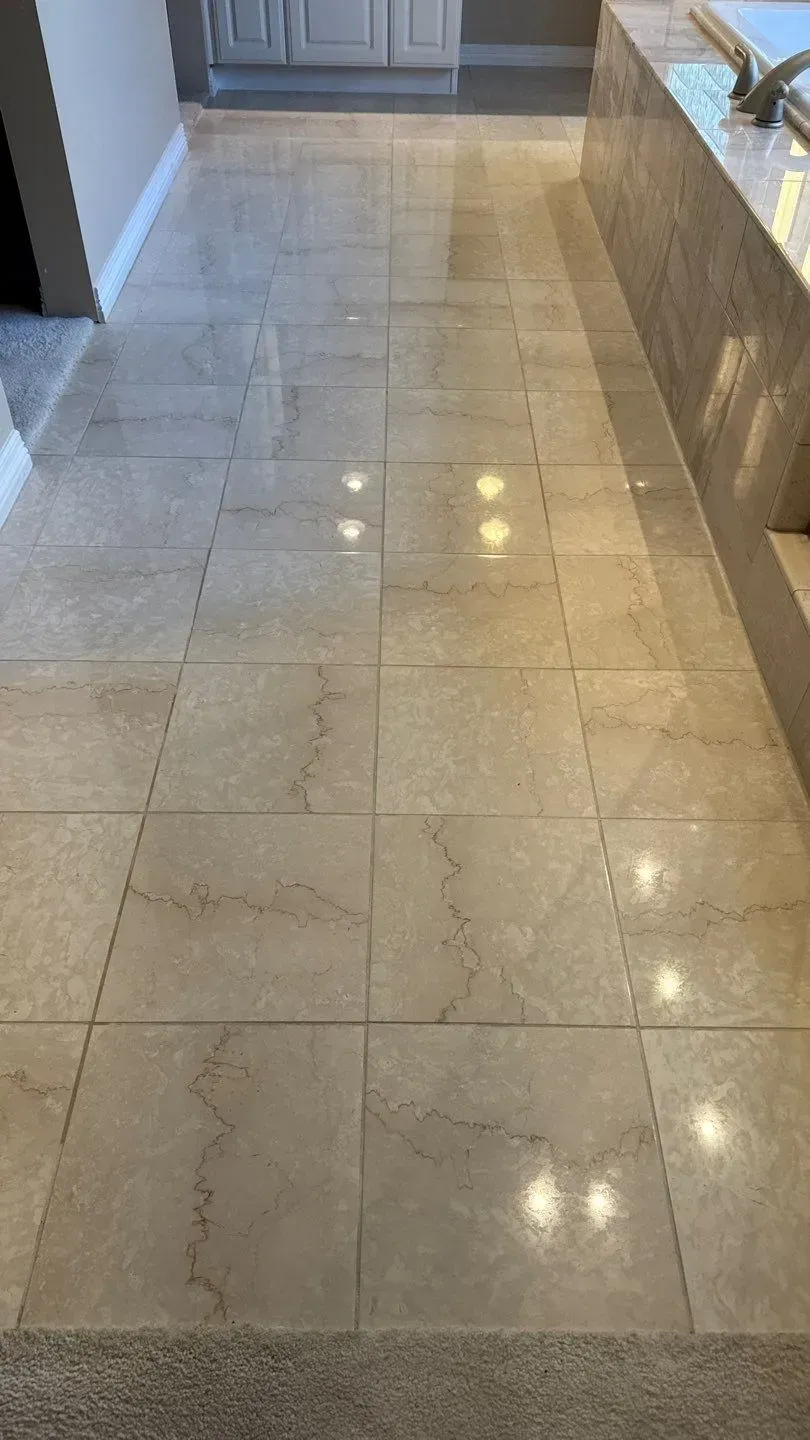
Shiny beige tiled hallway floor with reflections, leading to a doorway at the end.
August 18, 2026
Quick Answer: Polished stone has a mirror-like, reflective surface created by grinding it through progressively finer grits, while honed stone is stopped at a lower grit and left with a flat, matte-to-satin look with little to no reflection.
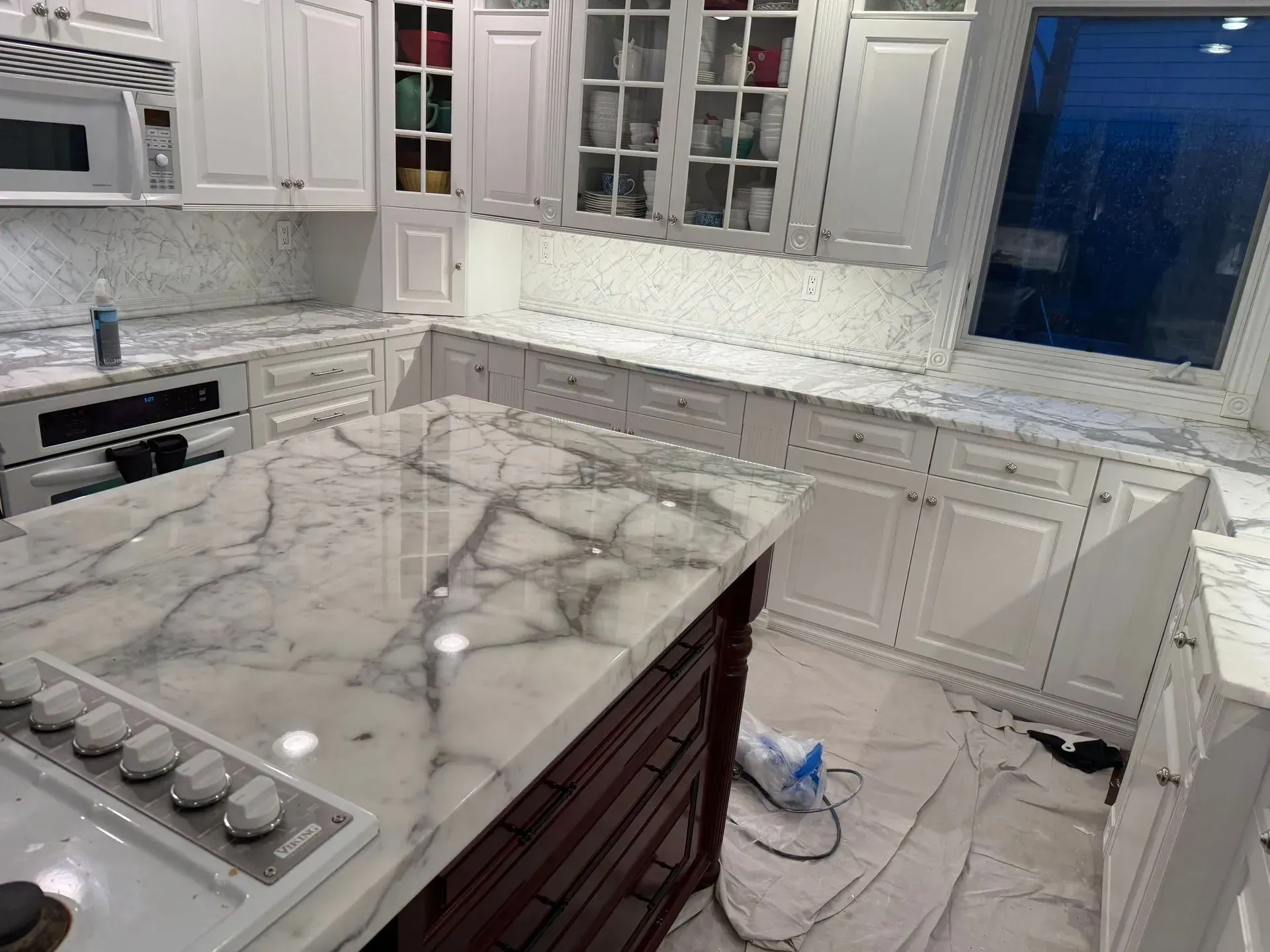
Modern kitchen with white cabinets, marble island, stainless appliances, and a dark window on the right
July 9, 2026
Marble countertops etch so easily because marble is made largely of calcium carbonate, and calcium carbonate reacts chemically with acid.
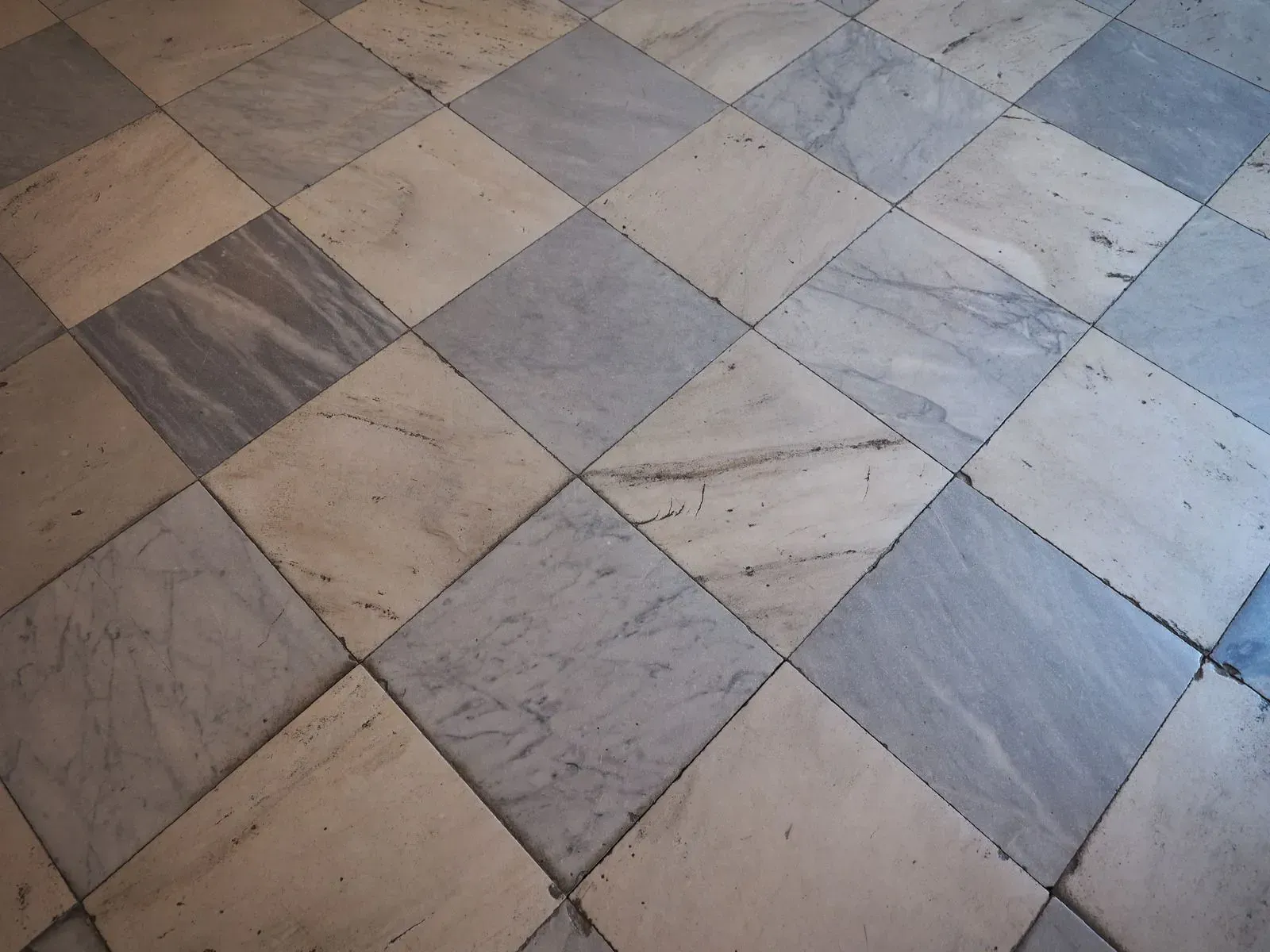
Diagonal pattern of gray and beige marble floor tiles in a checkerboard layout
June 12, 2026
Owning a vacation home in Colorado's mountain communities is one of the most rewarding real estate decisions a person can make. From the Roaring Fork Valley to Summit County and the San Juan Mountains, these properties sit inside some of the most geologically rich terrain in the country.