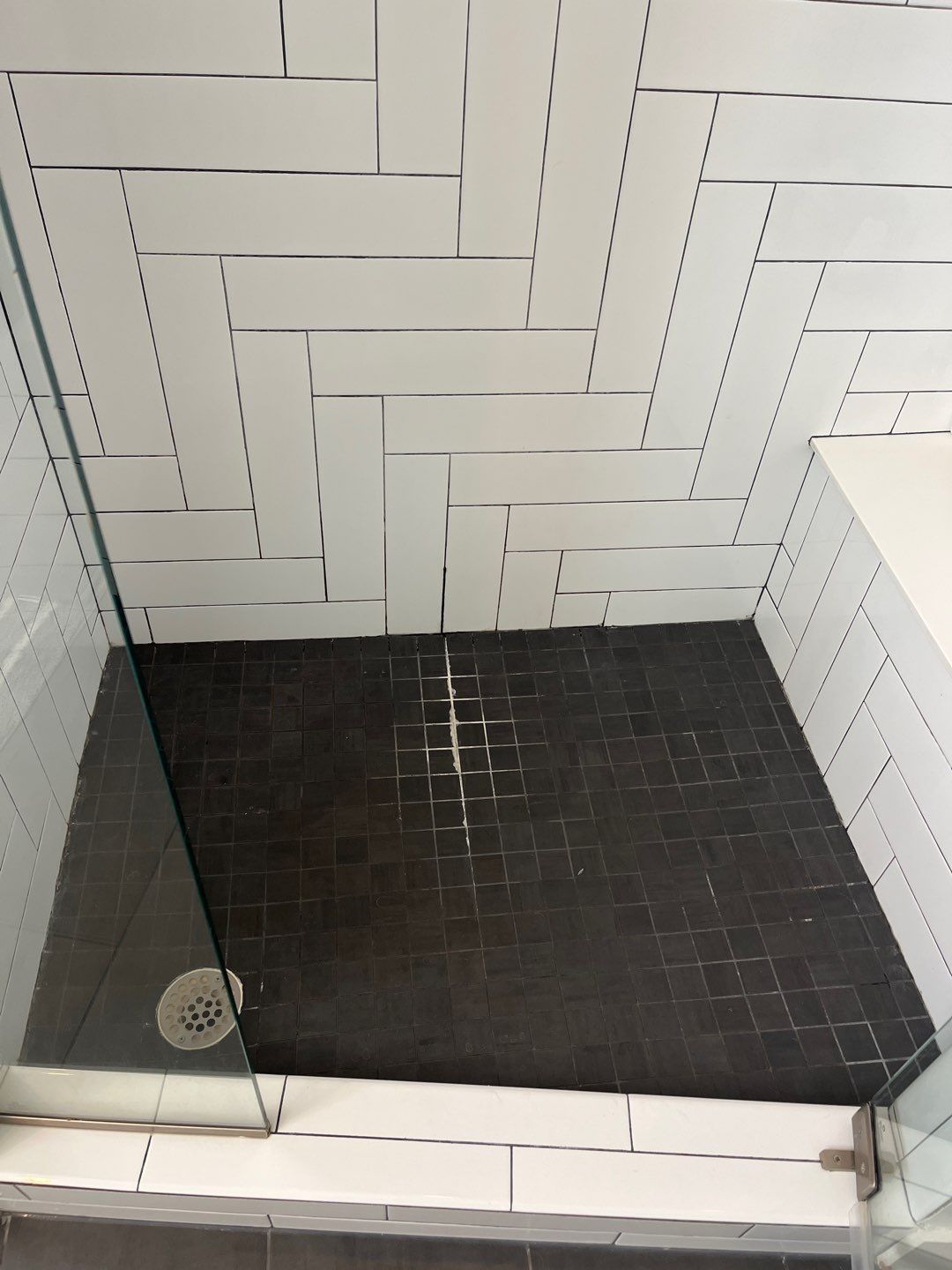

Stone Care Tips for Vacation Homes in Colorado’s Mountain Communities
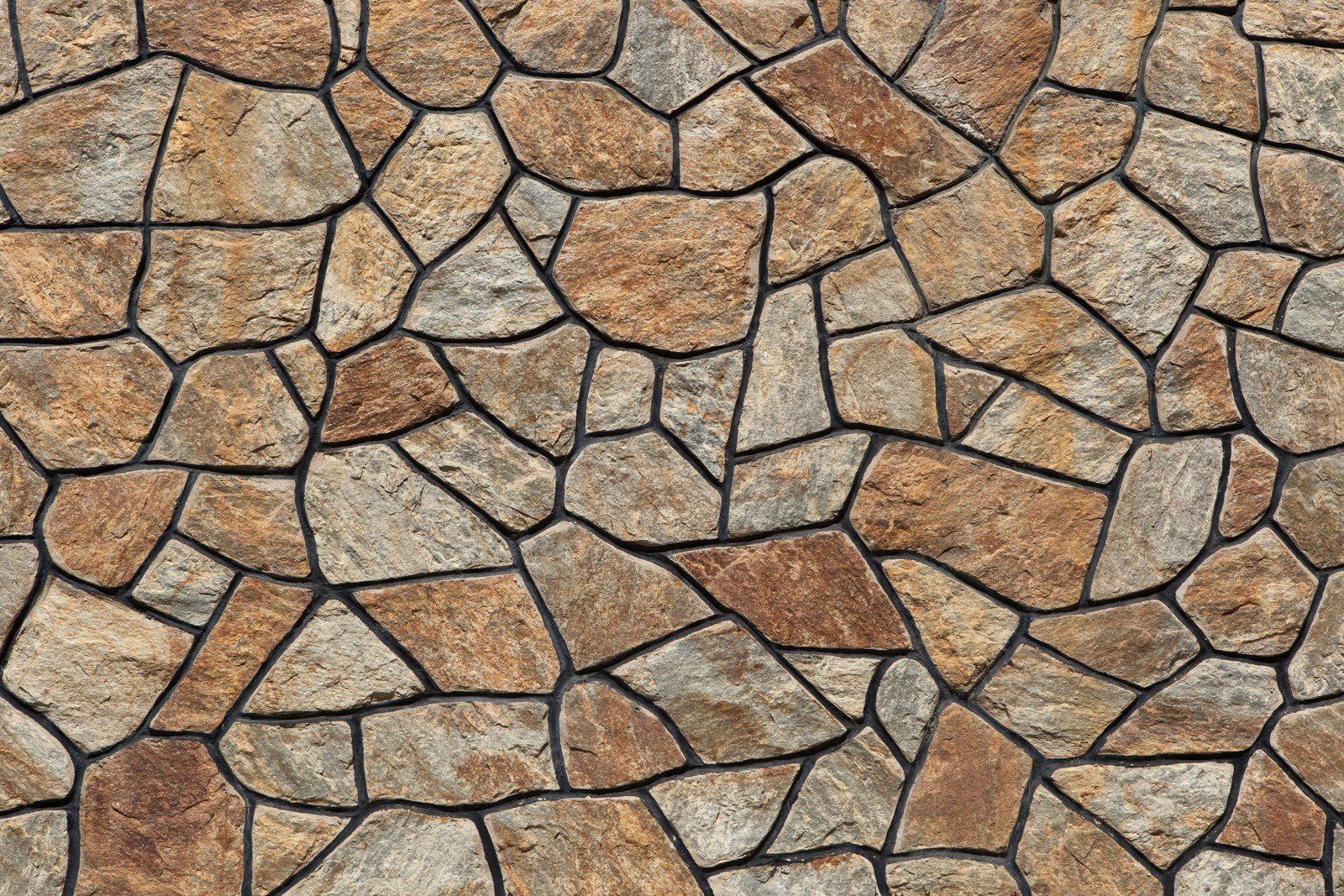
Owning a vacation home in Colorado's mountain communities is one of the most rewarding real estate decisions a person can make. From the Roaring Fork Valley to Summit County and the San Juan Mountains, these properties sit inside some of the most geologically rich terrain in the country. Many of them feature natural stone prominently, whether on exterior facades, interior floors, fireplace surrounds, kitchen countertops, or outdoor entertaining areas. Stone adds warmth, character, and permanence to mountain architecture, and it pairs naturally with the rugged surroundings.
What most vacation homeowners underestimate is how demanding the mountain environment is on natural stone. Extended periods without occupancy, dramatic freeze-thaw cycles, high-altitude UV exposure, and the dry Colorado air all create conditions that accelerate stone deterioration. A property left unattended through a harsh winter, then reopened in spring without proper inspection, can show significant damage before the season even begins. Understanding how to care for stone surfaces in this specific context, where climate is extreme and oversight is limited, is essential for protecting both the material and the investment behind it.
Why Mountain Environments Are Harder on Natural Stone
The Freeze-Thaw Problem
Colorado's mountain communities experience dozens of freeze-thaw cycles every winter. When water seeps into the porous surface of natural stone and freezes, it expands by roughly nine percent in volume. That expansion creates pressure within the stone's internal structure. Over multiple cycles, this leads to spalling, cracking, and surface flaking that compounds season after season.
This is not a minor cosmetic issue. On exterior stone steps, pool surrounds, and patio pavers, freeze-thaw damage creates structural vulnerabilities that become safety hazards. On interior stone, moisture intrusion during winter, particularly in vacation homes that go unheated or are kept at minimum temperatures, can lead to similar internal damage that only becomes visible months later.
UV Exposure at High Altitude
At elevations above 7,000 feet, ultraviolet radiation is measurably more intense than at sea level. Prolonged UV exposure bleaches certain stone varieties, particularly lighter marble and limestone, and degrades sealants faster than in lower-altitude climates. A sealer applied at a Colorado vacation home may need to be reapplied more frequently than the manufacturer's standard recommendation, which is typically based on average-altitude conditions.
Dry Air and Low Humidity
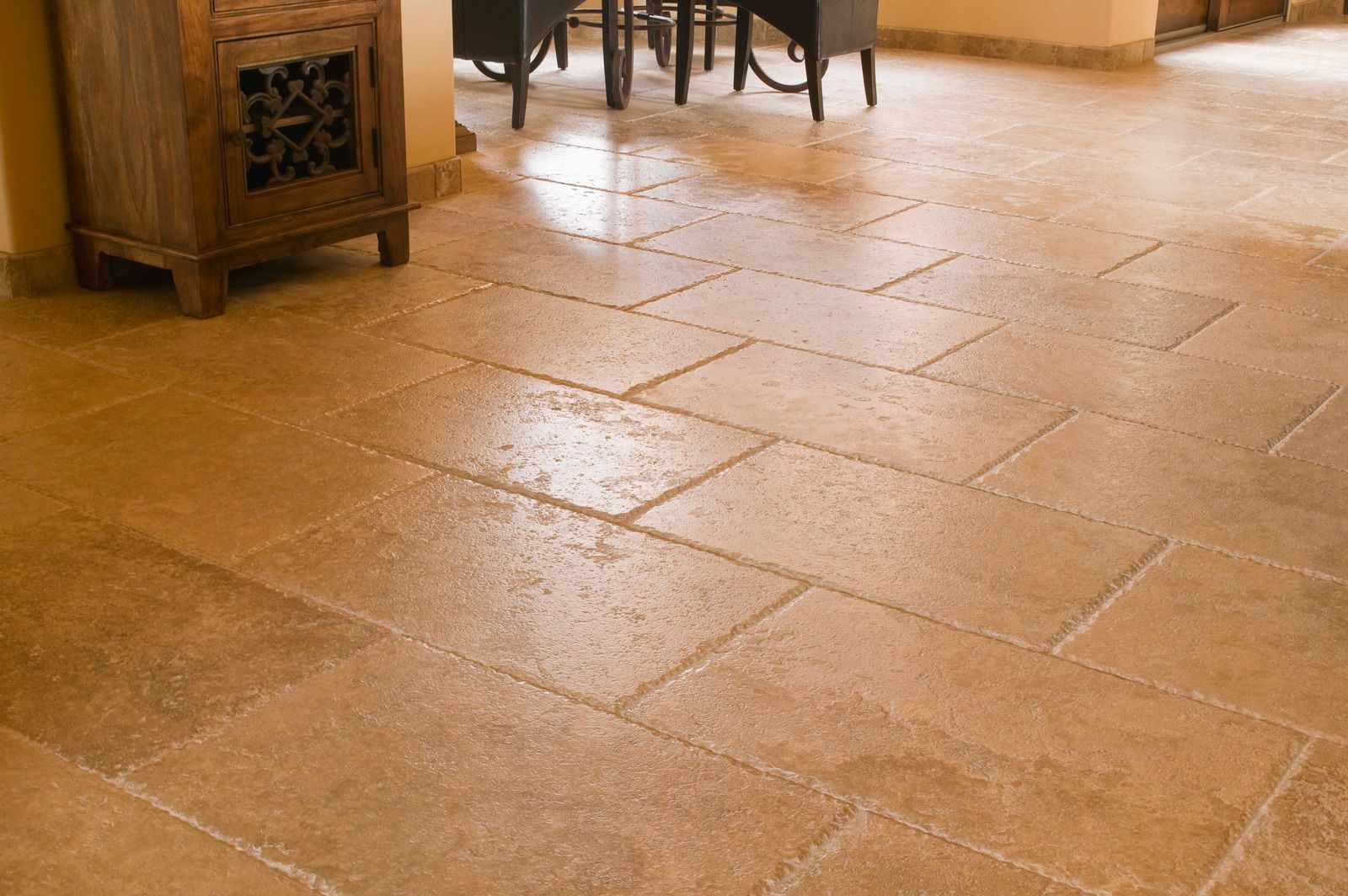
The low relative humidity common in Colorado's high country accelerates moisture evaporation from stone surfaces. This matters most for softer stones like travertine and limestone, which can develop surface dehydration cracks over time if left unsealed and unconditioned. In homes that sit empty for months, this effect is amplified because there is no ambient humidity from daily living to offset the dryness.
Pre-Season Inspection: What to Look For Before You Arrive
Before you settle in for any season, a thorough stone inspection should be part of your property opening checklist. Here is what to assess across each stone surface type:
| Surface Type | Key Inspection Points |
|---|---|
| Exterior stone facades | Cracks, efflorescence (white mineral deposits), mortar deterioration |
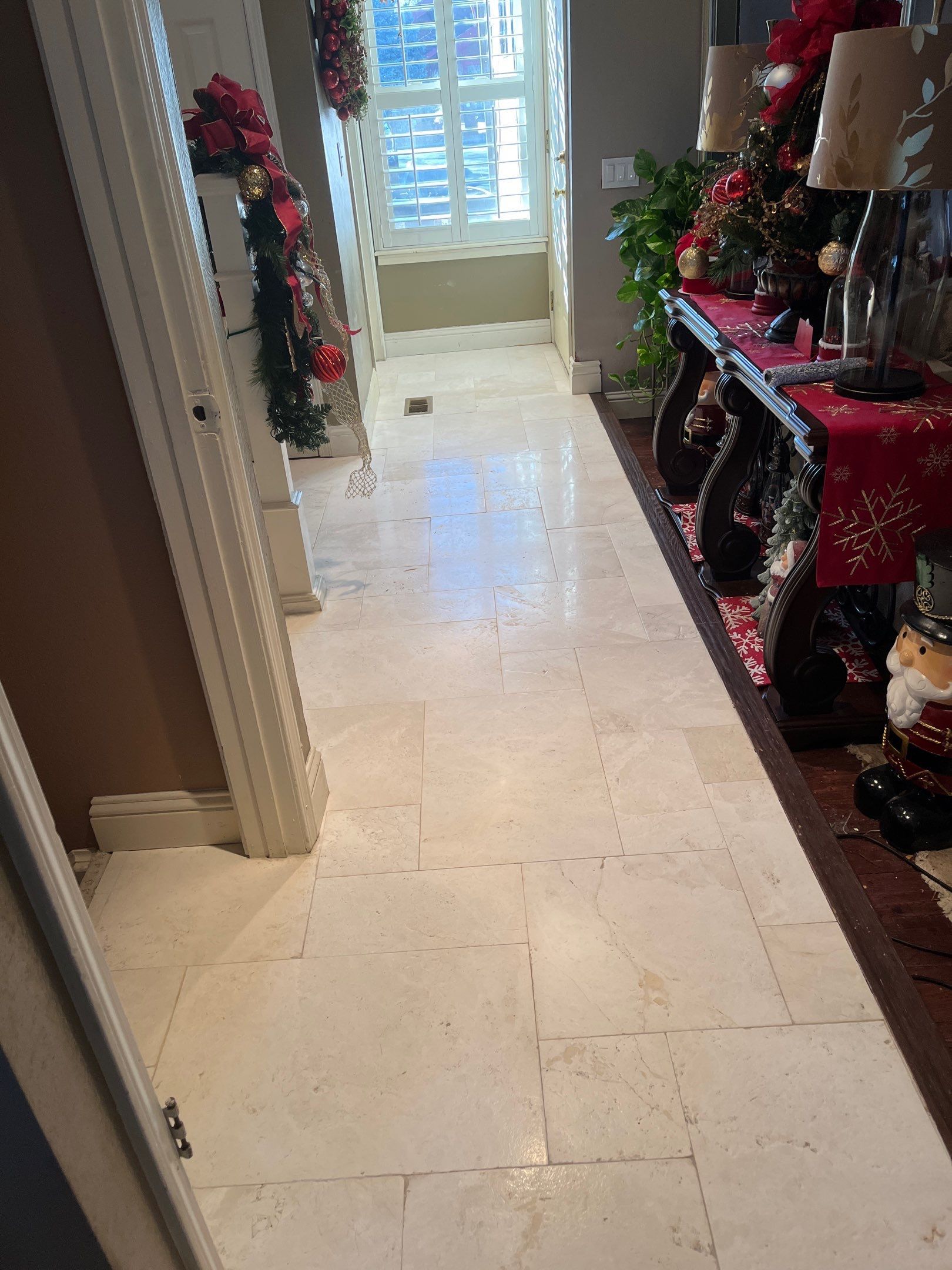
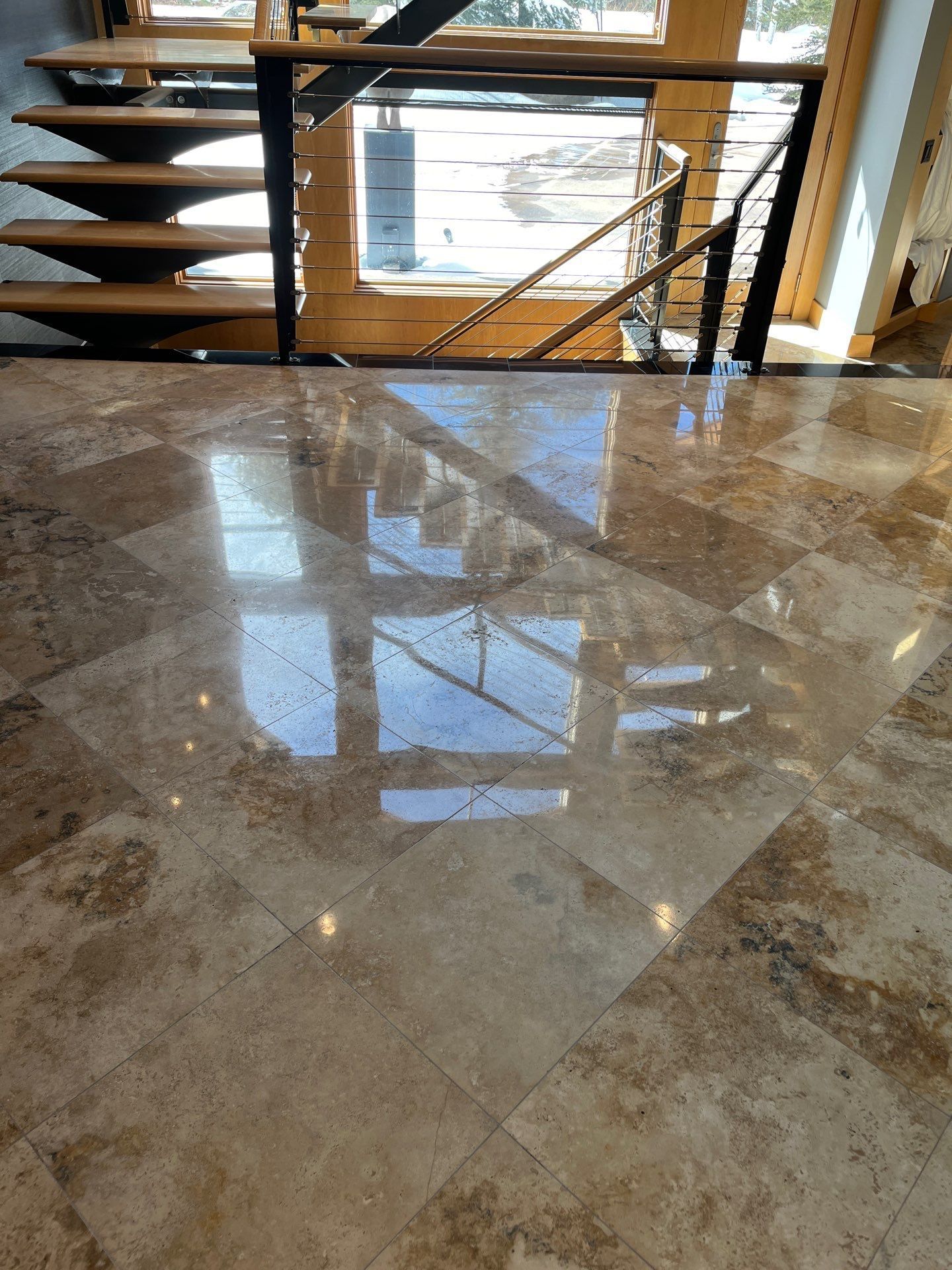
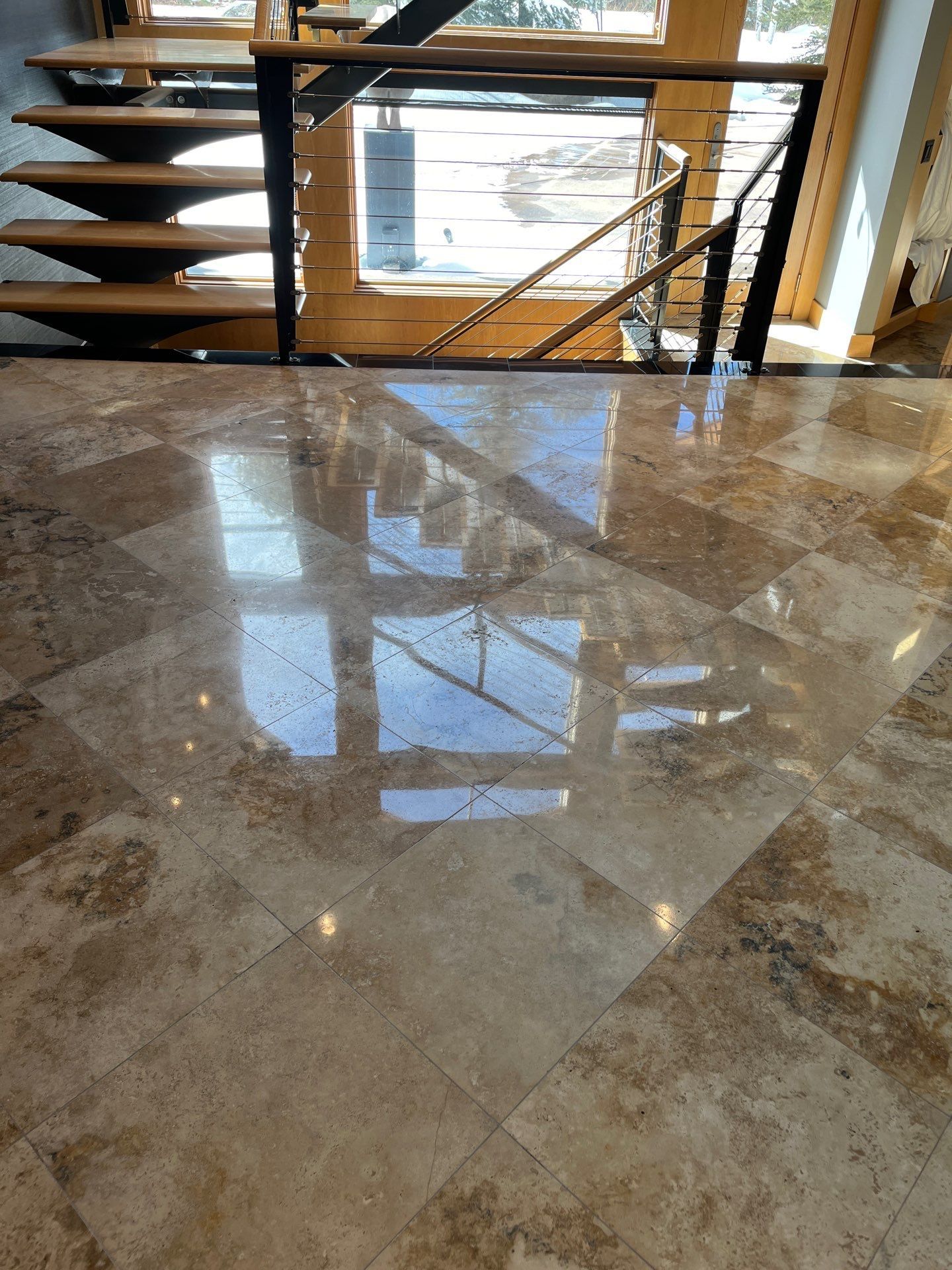
| Interior stone floors | Grout line integrity, surface etching, dullness or staining |
| Fireplace surrounds | Soot buildup, heat-related discoloration, sealant breakdown |
| Kitchen countertops | Etching from acidic foods, staining, edge chipping |
| Outdoor patios and steps | Spalling, frost heave displacement, joint erosion |
Efflorescence, those chalky white deposits that appear on stone surfaces, is a reliable indicator of moisture movement through the material. In a mountain vacation home that has been closed through winter, finding efflorescence is common. It signals that water has migrated through the stone and deposited mineral salts on the surface during evaporation. It is treatable, but it requires proper removal technique. Scrubbing with the wrong product can push salts deeper or etch the stone surface.
Sealing: The Foundation of Stone Protection in Colorado
Why Sealing Matters More at Elevation
Sealing is the single most important preventive measure for natural stone in a mountain environment. A quality penetrating sealer fills the microscopic pores in the stone, creating a barrier against water infiltration, staining, and salt migration. In Colorado's climate, where water stress and UV exposure are both elevated, sealed stone performs dramatically better over time than unsealed stone.
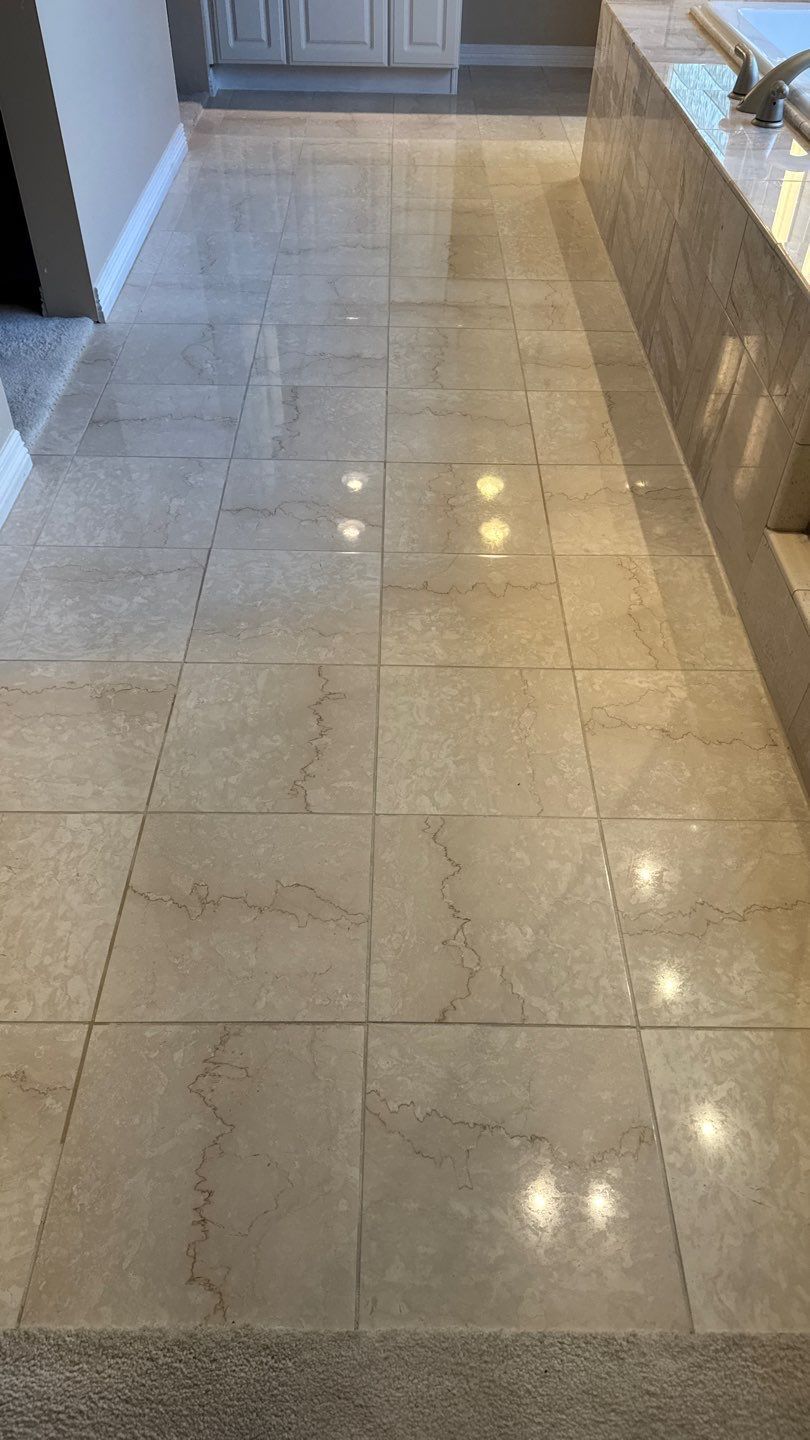
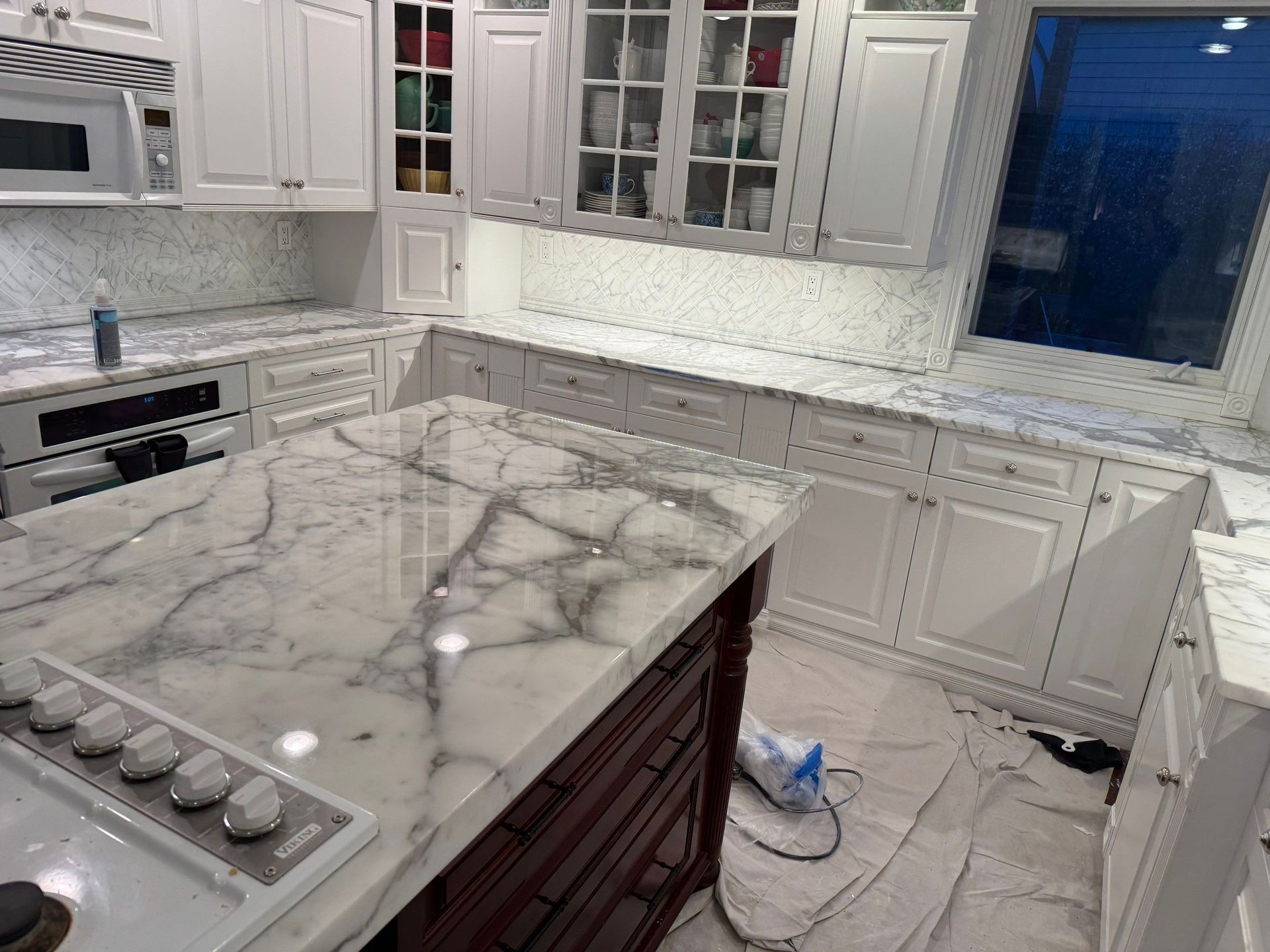
Different stone types have different absorption rates and require different sealer formulations. Travertine and limestone are highly porous and absorb sealers quickly. Granite is denser and less porous. Marble sits in the middle but is especially vulnerable to acid etching, so sealer selection matters beyond just water protection.
How Often Should You Reseal?
A general resealing schedule for Colorado mountain vacation homes looks like this:
Travertine and limestone floors: every 12 to 18 months. Granite countertops: every 2 to 3 years, tested annually with the water bead test. Marble surfaces: every 1 to 2 years. Exterior stone in direct weather exposure: annually before winter.
The water bead test is simple. Pour a small amount of water onto the stone surface. If it beads up, the sealer is intact. If it absorbs within a few minutes, the surface needs resealing before another season passes.
Cleaning Protocols for Vacation Home Stone
What to Use, and What to Avoid
The most common mistake vacation homeowners make is using standard household cleaners on natural stone. Vinegar, lemon juice, bleach-based products, and many grout cleaners are acidic or alkaline enough to etch polished stone surfaces or break down sealers. A single improper cleaning can dull a polished marble floor in ways that require professional restoration to correct.
For routine cleaning, use a pH-neutral stone cleaner diluted in warm water. Microfiber mops and soft cloths are appropriate tools. Never use abrasive scrubbers on polished stone.
For vacation homes specifically, the cleaning protocol on arrival matters as much as the product selection. Stone surfaces that have sat sealed and unused through a winter may have accumulated fine dust and condensation residue. A thorough but gentle first cleaning removes that layer without introducing new damage.
Spot Stain Treatment
Mountain vacation homes see a range of staining scenarios: wine on travertine floors during gatherings, cooking oils on granite countertops, rust stains from metal furniture left on outdoor stone patios. Each stain type requires a different approach.
Organic stains, from food, wine, or leaves, respond to hydrogen peroxide-based poultices on lighter stone. Oil-based stains require a chemical poultice with a solvent base. Rust stains need a specialized rust remover formulated for stone, not hardware-store rust treatments, which are often too aggressive.
Seasonal Maintenance Calendar for Mountain Stone Surfaces
Vacation home stone care follows a natural rhythm tied to the seasons. Here is a practical annual framework:
Spring Opening (May to June): Full inspection for freeze-thaw damage. Efflorescence removal where present. Deep cleaning of all stone surfaces. Water bead test and resealing if needed.
Summer Use Season (June to September): Regular pH-neutral cleaning. Prompt spot treatment of stains. Outdoor stone furniture pads to prevent scratching and metal rust transfer.
Fall Closing (October to November): Final cleaning before closure. Sealer application on any surfaces due for resealing. Removal of planters and metal furniture from stone patios to prevent staining and frost-heave damage. Inspection of grout and mortar joints before freeze season.
Winter (Closed or Minimal Use):
Avoid using rock salt or calcium chloride ice melts on stone surfaces. These products damage stone and sealers. Use sand or non-chemical alternatives on stone steps and walkways.
Restoration vs. Maintenance: Knowing the Difference
Stone maintenance is what you do regularly to preserve what is already in good condition. Stone restoration is what becomes necessary when maintenance has been delayed or damage has occurred. Understanding the difference helps vacation homeowners budget and plan realistically.
Maintenance includes cleaning, sealing, and minor spot treatment. Restoration includes honing to remove surface scratches, polishing to restore gloss on dull marble, lippage grinding to level uneven floor tiles, and grout restoration or replacement.
In vacation homes, the gap between maintenance and restoration tends to grow faster than in primary residences because oversight is limited. A stone floor that was last professionally cleaned and sealed three years ago in a home occupied only two months per year may look fine on the surface while quietly accumulating micro-damage from missed sealing windows and seasonal moisture stress.
Expert Stone Maintenance Tailored for Colorado's Seasonal Conditions
Natural stone in Colorado's mountain vacation homes faces conditions that differ meaningfully from stone in urban primary residences. Freeze-thaw cycles, elevated UV exposure, dry air, and extended vacancy periods all demand a more proactive and season-aware approach to stone care. The core practices are consistent: inspect thoroughly at each seasonal transition, seal on a schedule matched to the stone type and local climate, clean with appropriate products, and treat stains before they set. Staying ahead of stone deterioration protects both the material and the home's long-term value. Mountain properties represent significant investments, and the stone surfaces within them deserve a maintenance plan that matches the environment they live in.
We are a Denver, CO-based natural stone cleaning and polishing company with 14 years of hands-on experience serving residential clients across the region, including vacation and second-home properties throughout the state's mountain communities. Our work spans stone floor restoration, countertop polishing, fireplace surround cleaning, outdoor stone maintenance, and full-service sealing programs designed for properties with seasonal occupancy patterns.
We understand the specific demands that Colorado's high-altitude climate places on natural stone, and we bring that knowledge to every project we take on. Whether a property has been closed for a winter season and needs a full inspection and treatment, or simply needs a sealer refresh before summer guests arrive, we deliver results that hold up against the mountain environment. Colorado Stone & Tile Care
serves homeowners who want their stone surfaces maintained with precision, not just cleaned on the surface. If your vacation home has stone that deserves proper care, we are the team built for it.
Frequently Asked Questions
1. How does Colorado's altitude affect how often I should seal my stone surfaces?
At elevations above 7,000 feet, UV radiation breaks down sealers faster than at sea level, and freeze-thaw cycles create more moisture stress. Most Colorado mountain vacation home stone surfaces need resealing 25 to 40 percent more often than standard manufacturer recommendations suggest.
2. Can I use ice melt products on my stone walkways and steps?
Standard rock salt and calcium chloride ice melts cause surface deterioration and sealer breakdown on natural stone. Use sand or specially formulated stone-safe traction products on stone pathways. Damage from ice melt is cumulative and often shows up as pitting and flaking after multiple winters.
3. My stone floor looks dull after winter. Is that permanent?
Not usually. Dullness after a closed winter season typically results from surface residue accumulation or sealer breakdown rather than permanent damage. A professional deep clean followed by a resealing often restores the original appearance. If the dullness is etching from acid exposure, honing and polishing are the appropriate next steps.
4. What is the white chalky residue appearing on my exterior stone?
That is efflorescence, which forms when water moves through the stone and carries mineral salts to the surface during evaporation. It is common in mountain vacation homes after winter closure. It should be removed with a proper efflorescence remover formulated for stone, not scrubbed away with abrasive tools.
5. How do I know if my stone has been damaged by freeze-thaw cycles?
Look for spalling, which is flaking or chipping on the stone surface, hairline cracks, or areas where the stone sounds hollow when tapped. On grout and mortar joints, look for crumbling or gaps. These are signs that water entered the material, froze, and expanded internally over repeated cycles.