
AntiEtch vs. Traditional Sealants: Protecting Your Stone in a Dry, High-Altitude Environment
Maintaining natural stone surfaces in a dry, high-altitude environment presents unique challenges for homeowners, builders, and facility managers alike. The combination of intense sunlight, low humidity, and fluctuating temperatures can accelerate the wear, fading, and deterioration of stone materials, leaving them increasingly vulnerable to etching, staining, cracking, and other surface damage over time. Choosing the right protective solution is critical to preserving both the aesthetics, structural integrity, and long-term longevity of these surfaces. With the rise of specialized sealants and advanced stone care technologies, property owners now face a more nuanced choice between traditional sealants and newer innovations like AntiEtch treatments specifically designed for demanding environments. Understanding the differences, performance characteristics, and advantages of each option can help ensure your valuable investment is fully protected under harsh, high-altitude conditions.
Traditional sealants have been used successfully for decades to create a reliable barrier against water, oil, grease, and other common household or environmental contaminants. However, in high-altitude regions, their overall effectiveness may be limited, especially against acidic substances, etching agents, or extreme weather exposure that can leave permanent, unsightly marks.
AntiEtch sealants, on the other hand, are engineered with advanced chemical formulations to provide an additional layer of defense, preventing etching, reducing wear, and preserving the stone’s natural finish and texture over time. This blog explores the distinctions between AntiEtch and traditional sealants, offering practical insights, examples, and expert recommendations regarding their performance, benefits, challenges, and best applications in dry, high-altitude environments where durability and appearance matter most.
Understanding Stone Vulnerability in High-Altitude Conditions
Environmental Factors Affecting Stone
Natural stone is inherently porous, which makes it susceptible to damage from external factors. At high altitudes, UV exposure is more intense, accelerating color fading and weakening the stone's surface over time. Low humidity causes the stone to dry more quickly, which can intensify the absorption of oils and liquids, leading to staining. Furthermore, temperature fluctuations between day and night can create micro-fractures, especially in softer stones like limestone and marble.
Common Issues Without Adequate Protection
Without proper sealing, stone surfaces are prone to etching, discoloration, and general wear. Acidic liquids such as lemon juice, vinegar, or wine can leave permanent marks, even after cleaning. Dust and debris carried by high winds in mountainous regions can scratch surfaces, creating dull patches. Over time, untreated stone may require extensive restoration or replacement, resulting in higher maintenance costs and reduced property value.
Why Sealants Matter
Sealants act as the first line of defense, reducing porosity and preventing contaminants from penetrating the stone. They preserve the natural beauty of the material while extending its lifespan. For properties in dry, high-altitude environments, choosing the right sealant is essential to combat environmental stressors and maintain the surface’s integrity.
Traditional Sealants: Benefits and Limitations
Types of Traditional Sealants
Traditional stone sealants are generally divided into two categories: penetrating and topical. Penetrating sealants seep into the stone, providing internal protection against water and oil penetration. Topical sealants, such as acrylics or urethanes, create a surface layer that can resist staining and minor abrasion. Both types have proven effective in standard residential and commercial applications but have limitations in extreme climates.
Advantages of Traditional Sealants
Traditional sealants are widely available, relatively easy to apply, and cost-effective. They offer excellent protection against water and oil-based stains and can be reapplied periodically to maintain effectiveness. Topical sealants also enhance surface sheen, which may be desirable for decorative or polished stone finishes.
Limitations in Dry, High-Altitude Environments
While functional, traditional sealants may not provide sufficient protection against acid etching or UV-induced fading in high-altitude settings. Their surface-level barrier can degrade faster under intense sunlight, requiring frequent reapplication. Penetrating sealants may reduce absorption, but they do not always prevent surface etching from acidic substances, which can be a critical concern in kitchens, bathrooms, and outdoor living areas.
Best Practices for Using Traditional Sealants
When using traditional sealants in high-altitude conditions, it is important to choose products specifically rated for UV exposure and low humidity. Regular maintenance, including cleaning with pH-neutral products and periodic reapplication, can prolong the effectiveness of the sealant. However, users should remain aware that traditional sealants alone may not fully protect against all environmental stressors unique to high-altitude regions.
AntiEtch Sealants: Enhanced Protection for Sensitive Stone
What Are AntiEtch Sealants?
AntiEtch sealants are specialized formulations designed to protect natural stone from etching caused by acidic substances, as well as general wear and staining. Unlike traditional sealants that primarily act as a barrier to liquids, AntiEtch treatments form a chemical layer that neutralizes the effects of acids and other reactive agents on the stone’s surface. This makes them particularly valuable in areas where acidic contact is common, such as kitchens, bar tops, and outdoor dining spaces.
Key Benefits of AntiEtch Sealants
- Etch Resistance: AntiEtch sealants prevent the formation of white spots or dull patches caused by acid exposure.
- Durability: These sealants typically last longer than traditional alternatives, reducing the need for frequent maintenance.
- UV and Weather Protection: Many AntiEtch products are formulated to resist UV-induced fading, making them ideal for high-altitude environments.
- Enhanced Aesthetics: AntiEtch sealants maintain the natural luster of stone without leaving a heavy surface film, preserving the original look and feel.
Real-World Applications
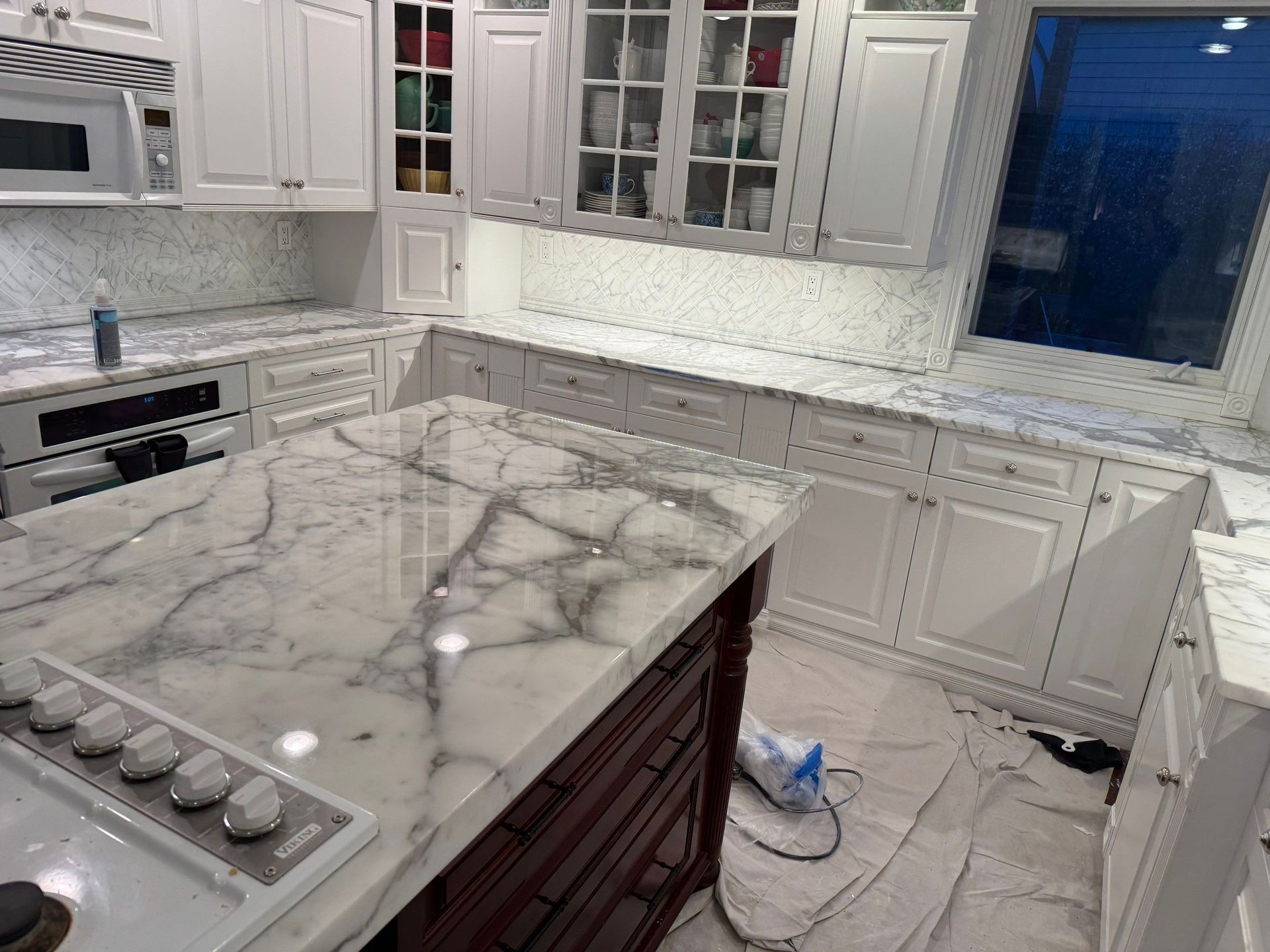
Consider a mountain home in Colorado where marble countertops are exposed to citrus juices and cleaning products. Traditional sealants may require constant reapplication to mitigate etching, whereas AntiEtch sealants can maintain the stone’s pristine appearance for years with minimal upkeep. Similarly, exterior stone features in dry, sunny climates benefit from AntiEtch formulations that reduce weathering and color loss over time.
Limitations and Considerations
While AntiEtch sealants offer superior protection, they tend to be more expensive than traditional options. Application may also require professional expertise to ensure uniform coverage and optimal performance. Additionally, not all stone types respond identically, so testing on a small area is recommended before full application.
Comparative Performance: AntiEtch vs. Traditional Sealants
Protection Against Staining
Traditional sealants provide adequate resistance against water and oil, but acidic liquids can compromise the stone’s surface. AntiEtch sealants specifically target etching, offering a level of protection that traditional options cannot match. In practical terms, kitchens, bathrooms, and outdoor surfaces with frequent exposure to acidic substances benefit more from AntiEtch treatments.
Longevity and Maintenance
High-altitude conditions accelerate wear on traditional sealants, necessitating more frequent reapplication—often every 6–12 months. AntiEtch sealants, by contrast, maintain efficacy for several years under similar conditions, reducing maintenance demands and long-term costs.
Surface Appearance
Topical traditional sealants can enhance sheen but may leave a slightly plastic or coated appearance. AntiEtch sealants preserve the natural texture and visual depth of the stone, appealing to homeowners who prioritize authenticity and subtle elegance.
Cost-Benefit Analysis
While initial costs for AntiEtch sealants are higher, the extended lifespan and reduced maintenance can make them more cost-effective over time, particularly for high-value installations in challenging environments. Traditional sealants may be suitable for lower-traffic areas or budget-conscious projects but may incur higher replacement and maintenance expenses in the long run.
Best Practices for Stone Protection in High-Altitude Environments
Regular Cleaning and Maintenance
Regardless of the sealant type, proper cleaning is essential. Use pH-neutral cleaners specifically formulated for natural stone to avoid chemical damage. Avoid abrasive pads or harsh chemicals that can compromise the sealant’s integrity.
Application Guidelines
- Surface Preparation: Thoroughly clean and dry the stone before applying any sealant
- Uniform Application: Ensure consistent coverage, paying attention to edges and corners where wear is concentrated.
- Curing Time: Allow adequate curing to maximize the sealant’s protective properties, which may be longer in dry, high-altitude areas due to faster evaporation rates.
Environmental Considerations
High-altitude environments can increase UV exposure and reduce moisture levels, affecting both the application and performance of sealants. AntiEtch products formulated for UV resistance are particularly beneficial, while traditional sealants may require additional protective layers or more frequent application cycles.
Choosing the Right Sealant
Selection should be based on stone type, location, exposure level, and expected usage. Soft stones like marble and limestone benefit greatly from AntiEtch sealants, while harder stones like granite may be adequately protected with high-quality traditional sealants for low-traffic applications. Consulting with a professional stone care provider ensures optimal selection and application strategy.
Protecting Your Stone Investment with Smart Choices
Protecting natural stone in dry, high-altitude environments requires careful consideration of environmental stressors, stone type, and intended use. Traditional sealants remain a reliable option for water and oil protection, but they may fall short in preventing etching and long-term surface deterioration under extreme conditions. AntiEtch sealants provide an advanced solution, offering superior resistance to acidic substances, UV exposure, and general wear while preserving the stone’s natural appearance. By understanding the differences, benefits, and limitations of each sealant type, property owners can make informed decisions that extend the life of their stone surfaces and maintain their aesthetic appeal.
At Colorado Stone & Tile Care, based in Denver, CO, we bring 14 years of hands-on expertise in stone protection and maintenance. Our team specializes in selecting and applying the most effective sealants for every stone type, ensuring optimal durability and beauty in challenging high-altitude environments. We provide personalized consultations, professional application, and ongoing support to safeguard your investment. Trust us to combine industry-leading knowledge with meticulous craftsmanship for results that last.