
Common Stone Damage We See in Colorado and How to Prevent It
Colorado’s natural beauty is reflected not only in its mountains and landscapes but also in the luxurious stone surfaces that adorn homes, businesses, and public spaces. From granite countertops in Denver kitchens to sandstone patios in mountain lodges, stone is a timeless material valued for its strength, elegance, and durability. However, the unique environmental conditions of Colorado—ranging from high-altitude sun exposure to dramatic temperature swings—pose significant challenges to maintaining stone in pristine condition. Homeowners, property managers, and contractors alike often encounter unexpected issues with stone damage that can compromise both appearance and structural integrity. Understanding the common types of stone damage and the preventive measures available is essential for preserving these surfaces over the long term.
Maintaining stone in Colorado requires more than routine cleaning; it demands a proactive approach tailored to the region’s specific climate and environmental stressors. This includes knowledge of the types of stone used, their susceptibility to various forms of damage, and best practices for prevention and care. In this blog, we explore the most common forms of stone damage encountered in Colorado, provide actionable prevention strategies, and highlight expert recommendations to ensure your stone surfaces remain both beautiful and functional for years to come.
Weather-Related Damage
Freeze-Thaw Cycles and Cracking
Colorado’s high-altitude climate is notorious for extreme temperature fluctuations, especially during winter. Stone is a porous material, and water can infiltrate small cracks or pores. When temperatures drop, the trapped water freezes and expands, leading to cracks and fissures over time. This freeze-thaw cycle is particularly problematic for softer stones such as limestone and sandstone. Granite and quartzite are more resilient but can still experience micro-fractures in extreme conditions.
Prevention Tips:
- Apply a high-quality penetrating sealer to reduce water absorption.
- Ensure proper drainage around exterior stone installations to prevent water pooling.
- Conduct routine inspections for small cracks and address them promptly before they expand.
Sun and UV Damage
Colorado’s elevation results in higher UV exposure, which can gradually degrade certain stone surfaces. This is especially noticeable in natural stones with delicate mineral compositions, such as travertine or marble. Over time, UV exposure can cause fading, color shifts, and surface roughening.
Prevention Tips:
- Use UV-resistant sealants designed specifically for stone.
- Install protective coverings, such as pergolas or awnings, over high-exposure areas.
- Rotate decorative stone features where possible to minimize prolonged sun exposure on a single surface.
Wind and Sand Abrasion
Frequent high winds can carry sand and dust that act like natural sandpaper on exposed stone surfaces. Over time, this leads to surface dulling, scratches, and minor erosion, particularly on horizontal surfaces like patios or steps.
Prevention Tips:
- Regularly sweep or wash stone surfaces to remove abrasive particles.
- Consider using a honed finish on high-traffic outdoor stone to reduce visible wear.
- Plant windbreaks or shrubs to reduce direct exposure to gusty winds.
Water and Moisture Damage
Staining from Hard Water
Colorado’s water is often high in minerals like calcium and magnesium, leading to hard water stains on stone surfaces. These stains can appear as cloudy white deposits on polished granite or dull spots on travertine. Over time, mineral buildup can etch the surface, requiring professional restoration.
Prevention Tips:
- Wipe up spills and water droplets promptly, especially on kitchen countertops and bathroom vanities.
- Install water softeners or use filtered water where feasible.
- Apply a penetrating sealer to minimize absorption of mineral deposits.
Efflorescence
Efflorescence occurs when soluble salts within stone or grout migrate to the surface, leaving a white, powdery residue. It is most common in exterior walls, patios, and fountains exposed to consistent moisture. While not structurally damaging, efflorescence can detract from aesthetics.
Prevention Tips:
- Improve drainage and waterproofing for exterior stone installations.
- Use breathable sealers that allow moisture to escape without trapping salts.
- Clean affected areas with specialized stone cleaners to prevent buildup.
Mold and Mildew Growth
Stone surfaces in shaded or damp areas can develop mold and mildew, particularly in humid microclimates created by irrigation systems or snowmelt. Mold not only affects appearance but can also contribute to slippery surfaces, creating safety hazards.
Prevention Tips:
- Keep stone surfaces dry and well-ventilated.
- Use mold-resistant sealers for shaded areas.
- Clean affected areas promptly with pH-neutral, stone-safe cleaners.
Chemical Damage
Acid Etching
Acidic substances, such as citrus juice, vinegar, or certain cleaning products, can etch sensitive stone surfaces like marble and limestone. Acid etching removes the surface polish and leaves dull spots or shallow depressions that are difficult to restore without professional polishing.
Prevention Tips:
- Use coasters, cutting boards, and trays to protect stone surfaces from acidic substances.
- Avoid acidic cleaners; use only pH-neutral products designed for stone care.
- Immediately wipe up spills, particularly on kitchen countertops.
Staining from Household Chemicals
Bleach, ammonia, and other harsh chemicals can damage the surface of natural stone or discolor its finish. Over time, repeated exposure may lead to surface roughness or uneven color.
Prevention Tips:
- Always read product labels before using cleaning agents near stone surfaces.
- Rinse any accidental chemical spills with clean water immediately.
- Invest in stone-safe cleaning solutions recommended by professionals.
Physical Wear and Mechanical Damage
Scratches and Abrasions
Stone surfaces, especially polished or honed finishes, are susceptible to scratching from daily use. Foot traffic, dragging furniture, or sharp kitchen utensils can all leave visible marks.
Prevention Tips:
- Use rugs or mats in high-traffic areas, particularly near entryways and kitchen workspaces.
- Install felt pads under furniture legs to prevent scraping.
- Choose more durable stones, such as granite or quartzite, for heavily used areas.
Chipping and Impact Damage
Heavy objects dropped on stone countertops, floors, or steps can cause chips or fractures. Edges and corners are particularly vulnerable. This is common in both residential kitchens and commercial settings like restaurants or retail spaces.
Prevention Tips:
- Use cutting boards and trivets to reduce direct impact on stone surfaces.
- Apply edge protection or reinforce high-risk areas during installation.
- Repair minor chips promptly using professional epoxy or resin fillers to prevent further damage.
Uneven Settling or Structural Shifts
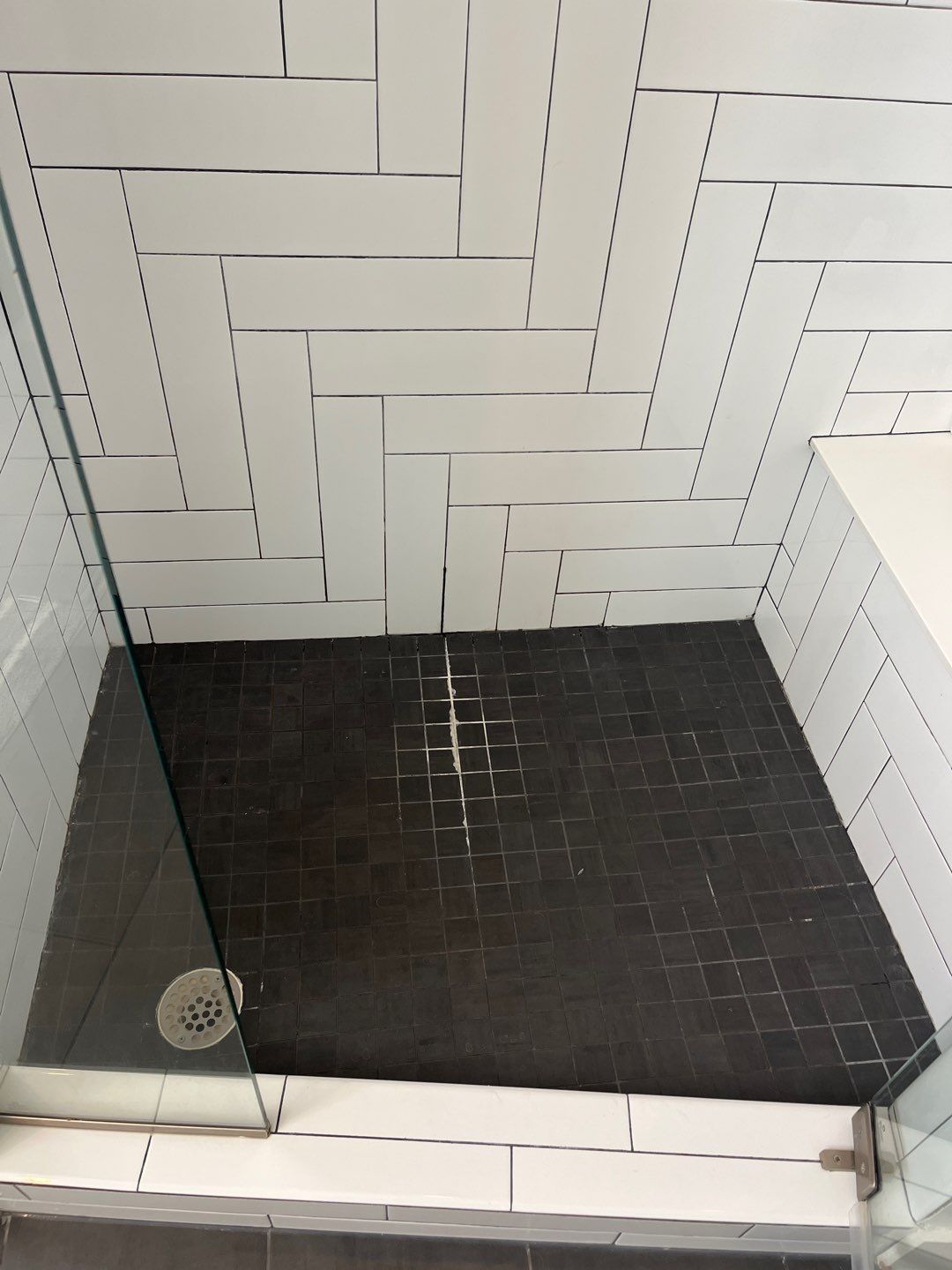
Stone flooring or exterior stonework may shift due to uneven settling, soil movement, or heavy snow loads. This can cause cracks or loosened tiles, particularly in older installations.
Prevention Tips:
- Ensure proper base preparation during installation to account for soil movement.
- Regularly inspect exterior stone for signs of settling or instability.
- Reinforce or re-level stone surfaces as needed to maintain structural integrity.
Biological and Environmental Effects
Lichen, Moss, and Algae
High-altitude, shaded areas in Colorado often encourage the growth of moss, lichen, and algae on outdoor stone surfaces. These organisms retain moisture and can accelerate surface deterioration or make walkways slippery.
Prevention Tips:
- Prune trees and shrubs to allow sunlight and airflow, reducing moisture retention.
- Pressure wash or scrub stone surfaces periodically using stone-safe methods.
- Apply protective sealers with antifungal or algaecide properties.
Mineral Leaching and Rust Stains
Stones with natural iron content, such as certain sandstones or flagstones, can develop rust-colored stains when exposed to water and oxygen. These stains are difficult to remove and may require specialized cleaning techniques.
Prevention Tips:
- Seal stone surfaces with high-quality penetrating sealers to reduce water penetration.
- Avoid prolonged contact with metal planters or irrigation components that can leach rust onto stone.
- Treat early signs of staining with
professional-grade cleaners to prevent permanent discoloration.
Best Practices for Stone Maintenance in Colorado
Routine Cleaning and Inspections
Maintaining stone surfaces begins with a consistent cleaning routine using pH-neutral, stone-safe cleaners. Regular inspections help identify minor issues before they develop into major problems. Look for early signs of cracking, discoloration, or surface wear.
Proper Sealing
Sealing is one of the most effective preventive measures against water, UV, and chemical damage. Use high-quality sealers suited for your stone type and environmental conditions, and follow manufacturer guidelines for reapplication intervals.
Climate-Specific Adjustments
Colorado’s environment requires tailored stone care strategies. For example, winter snow and ice removal should avoid metal shovels and harsh chemicals. Outdoor stone installations may benefit from slight grading to direct water away from the surface, reducing freeze-thaw damage.
Professional Stone Care
While daily maintenance is essential, professional stone care ensures longevity and preserves aesthetic appeal. Services such as deep cleaning, polishing, sealing, and crack repair are crucial for high-end stone surfaces or large installations.
Essential Insights to Preserve Your Stone Surfaces
Stone surfaces provide timeless beauty, durability, and value to Colorado homes and businesses, but they are not immune to the region’s unique environmental challenges. From freeze-thaw cycles and UV exposure to chemical etching and biological growth, stone can experience a variety of damage types if not properly maintained. Preventive care—including proper sealing, routine cleaning, and timely professional interventions—plays a critical role in preserving the aesthetic and functional integrity of stone surfaces. Understanding the specific risks and implementing tailored strategies helps extend the life of these materials, keeping them looking polished and structurally sound for decades.
At Colorado Stone & Tile Care, we bring 14 years of expertise to every stone care project in Denver, CO, combining proven techniques with region-specific knowledge to protect your investments. Our team provides comprehensive services, from preventative maintenance and sealing to repair and restoration, ensuring that every surface we touch maintains its original beauty and resilience. Homeowners and businesses alike trust us for reliable, high-quality care that enhances both appearance and durability. Partner with us to safeguard your stone surfaces and enjoy long-lasting elegance with confidence.