
How to Maintain Commercial Stone Floors in Hotels and Offices Across the Front Range
Commercial stone flooring is a hallmark of elegance and durability in hotels, offices, and other high-traffic environments. From polished marble lobbies to slate conference rooms, stone floors convey professionalism while offering a long-lasting surface capable of withstanding daily wear. However, maintaining these surfaces requires more than routine sweeping or mopping. Without proper care, stone can lose its luster, develop stains, or suffer structural damage that is costly to repair. For commercial properties, where foot traffic is constant and first impressions matter, the stakes are even higher. Regular maintenance not only preserves the beauty of the floors but also ensures safety for guests and staff by reducing slip hazards. Incorporating best practices in cleaning and upkeep can extend the floor’s lifespan and protect the significant investment in quality stone materials. Additionally, using the right cleaning products and techniques prevents etching or discoloration, ensuring the floors maintain their aesthetic appeal and professional ambiance over time.
Across the Front Range, climate variations, seasonal weather changes, and varying levels of foot traffic present unique challenges to commercial stone floor maintenance. Snow, moisture, and abrasive dirt carried in from outdoor areas can accelerate wear and damage if not addressed correctly. This makes a proactive approach critical. By combining routine cleaning, periodic professional care, and informed preventive measures, hotels and offices can ensure that their stone floors remain pristine, safe, and impressive for years. Additionally, understanding local environmental factors, such as temperature fluctuations and road salt exposure, allows property managers to implement tailored strategies that reduce long-term deterioration. Effective maintenance plans can also improve operational efficiency, minimizing downtime for cleaning and repairs while enhancing the overall guest and employee experience. Strategic scheduling of deep-cleaning treatments and protective sealants further helps maintain a polished look while reducing the risk of costly replacements in the future.
1. Understanding Commercial Stone Floors
Types of Stone Flooring
Commercial stone floors come in various materials, each with unique characteristics that affect care and maintenance:
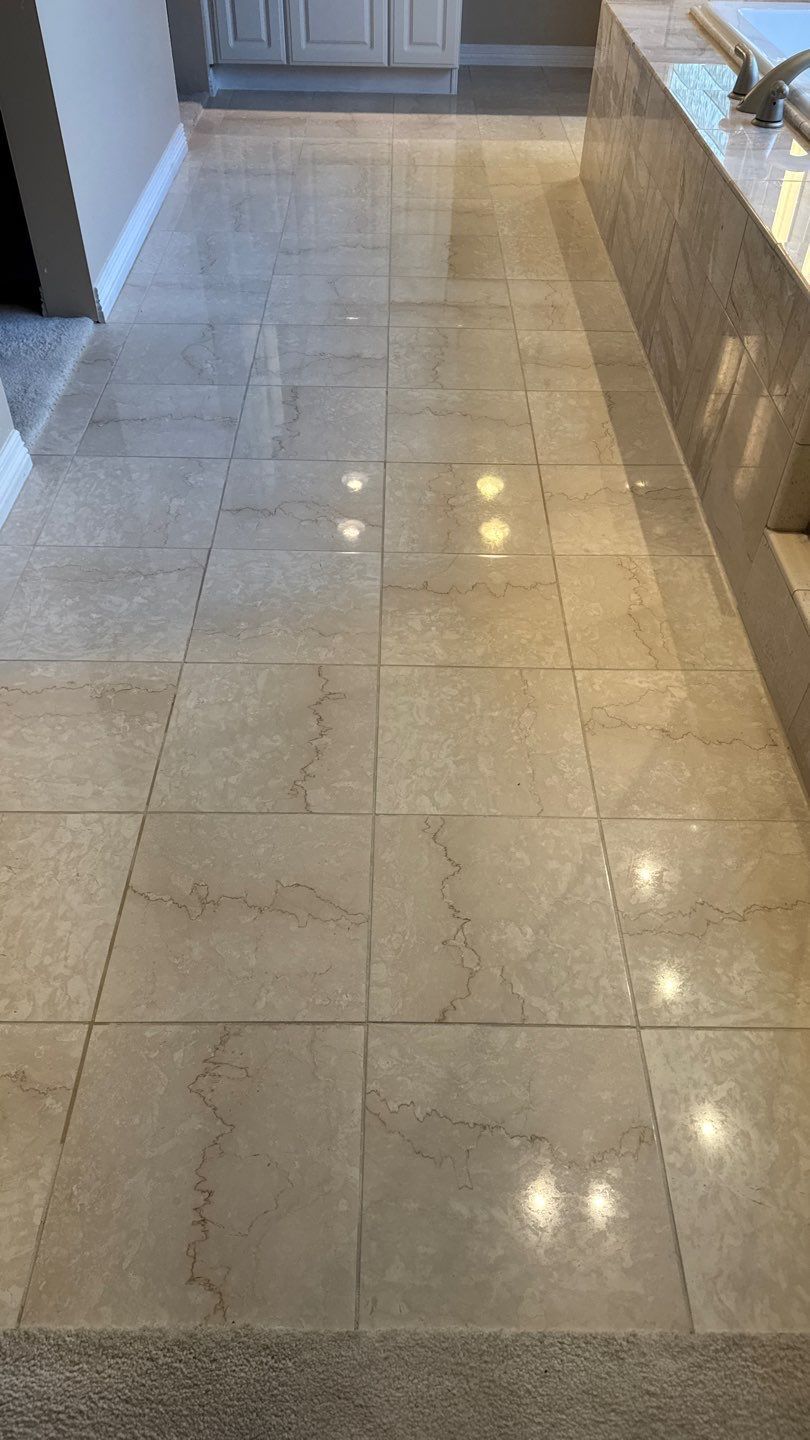
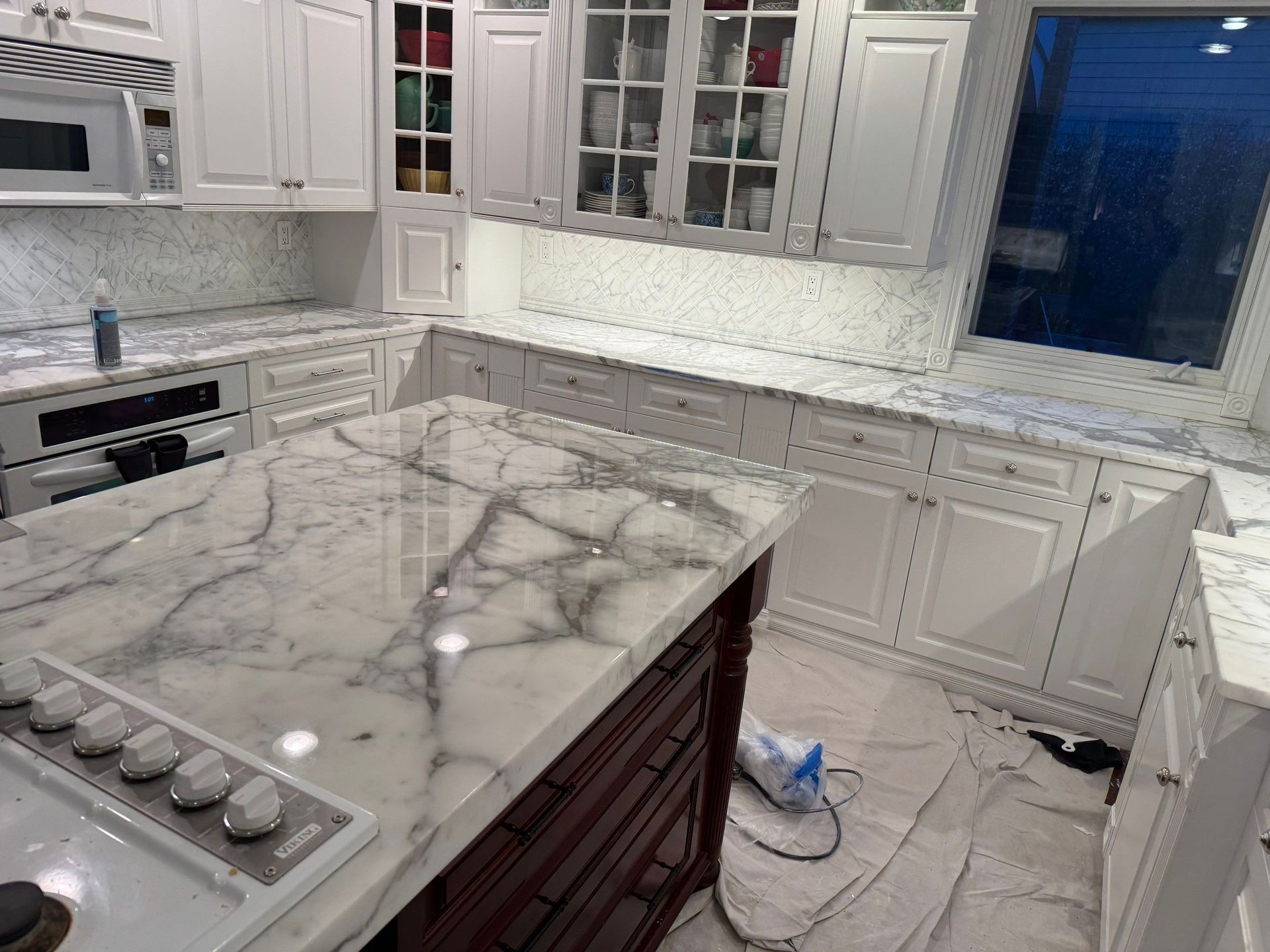
- Marble: Renowned for its elegance, marble is soft and porous. It requires careful cleaning and regular sealing to prevent etching and staining.
- Granite: Extremely durable, granite withstands high traffic but still benefits from periodic polishing and sealant applications to maintain shine.
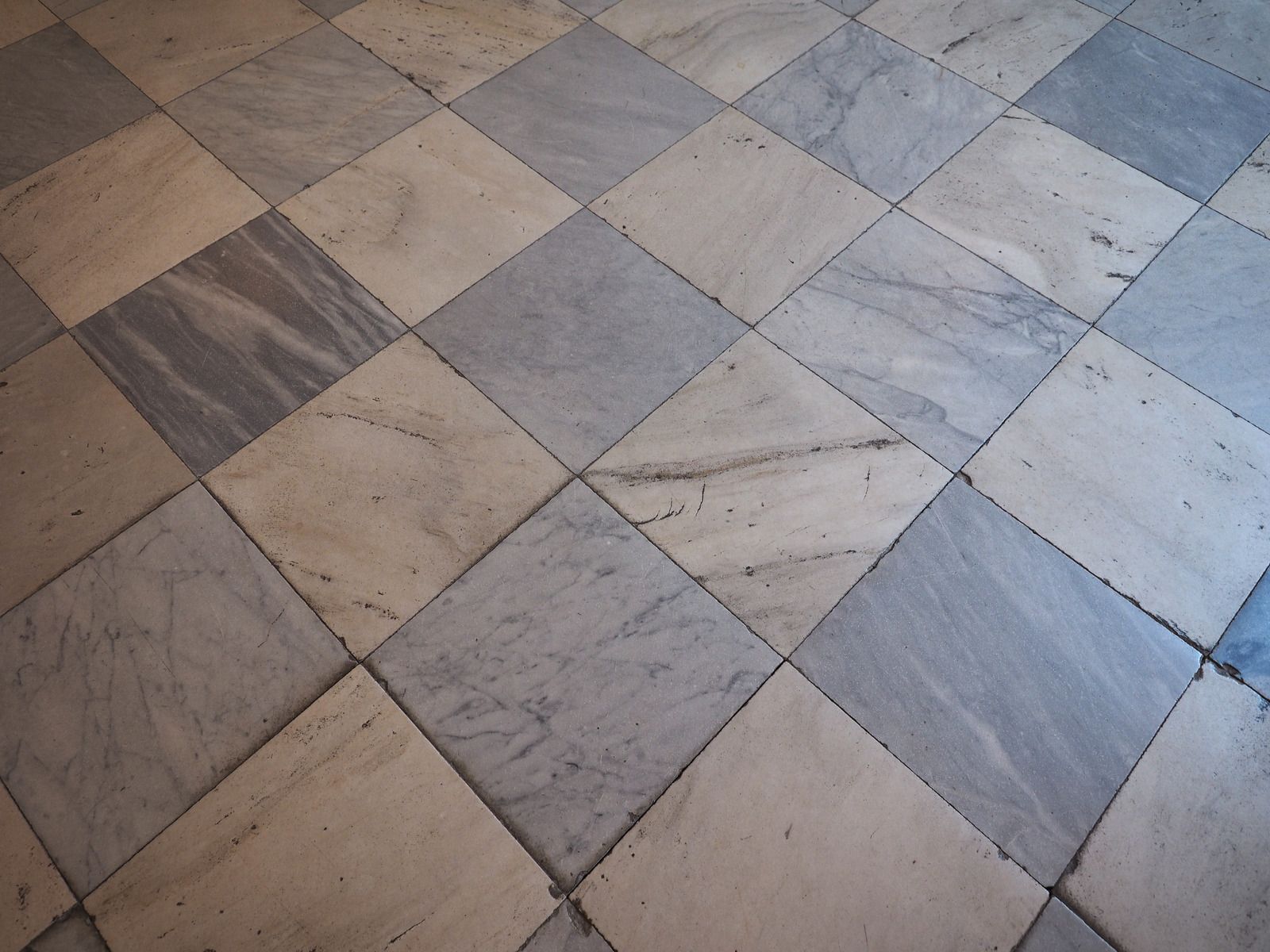
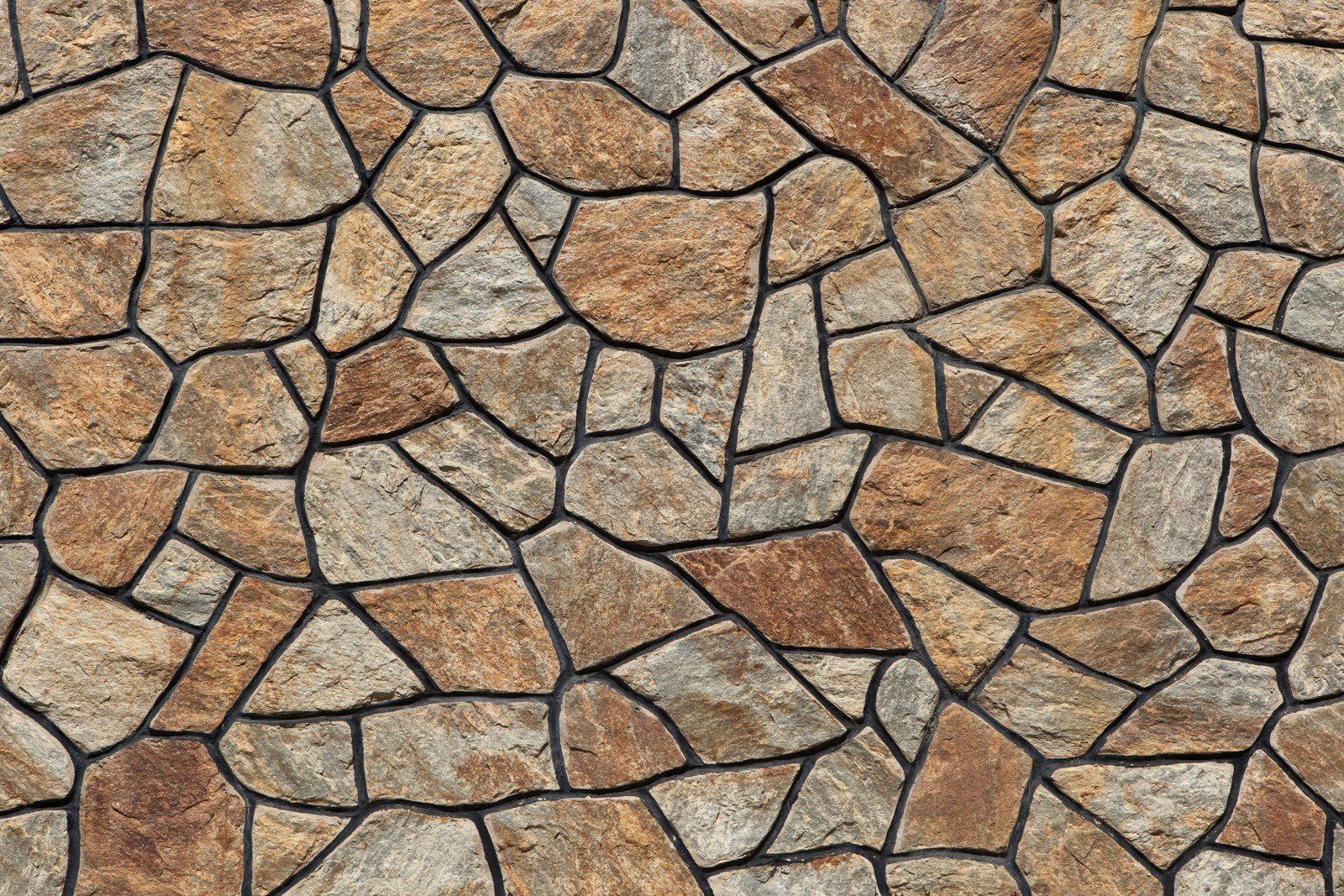
- Slate and Limestone: These natural stones offer textured surfaces that hide minor wear but can trap dirt if not cleaned effectively.
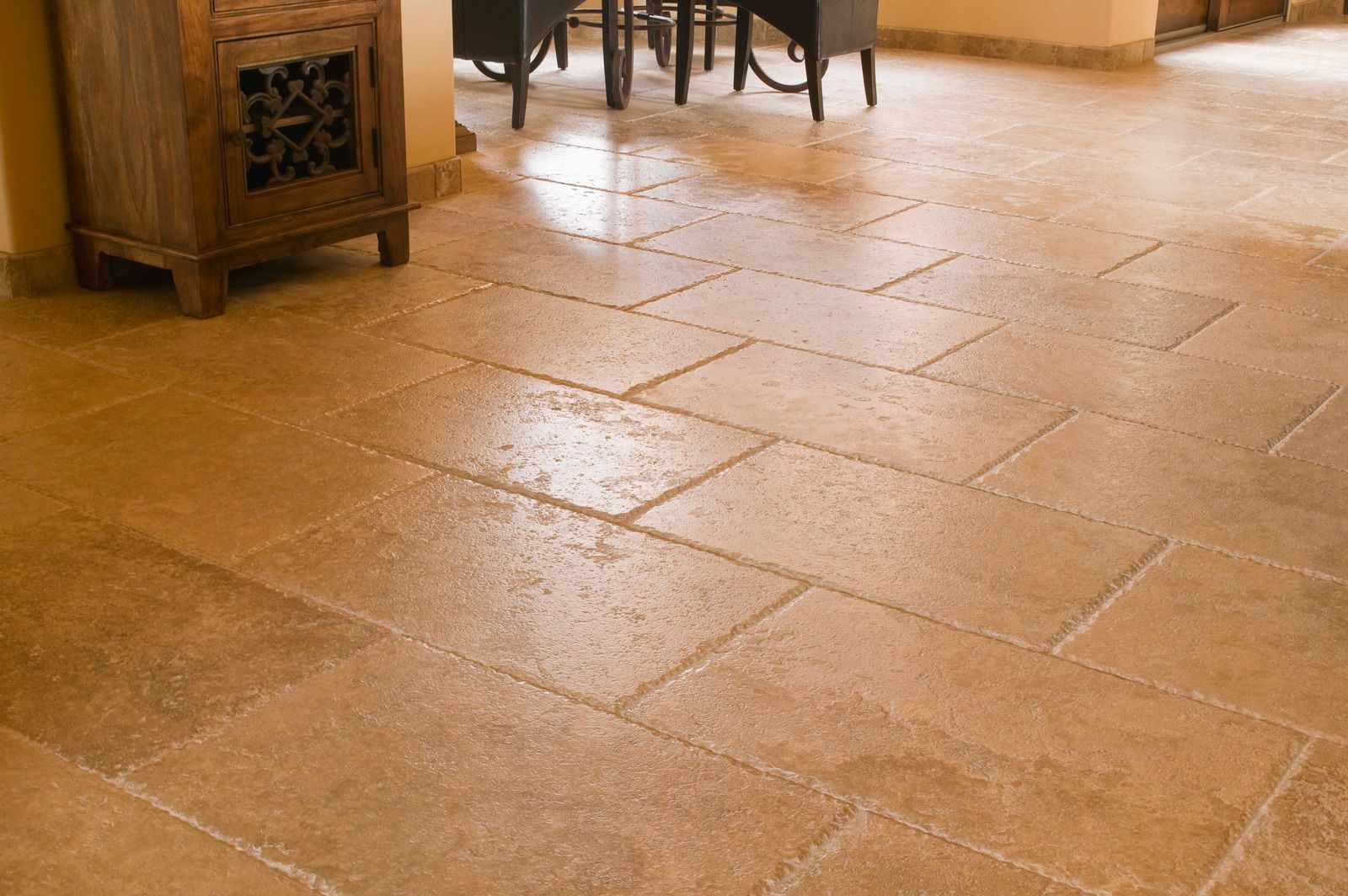
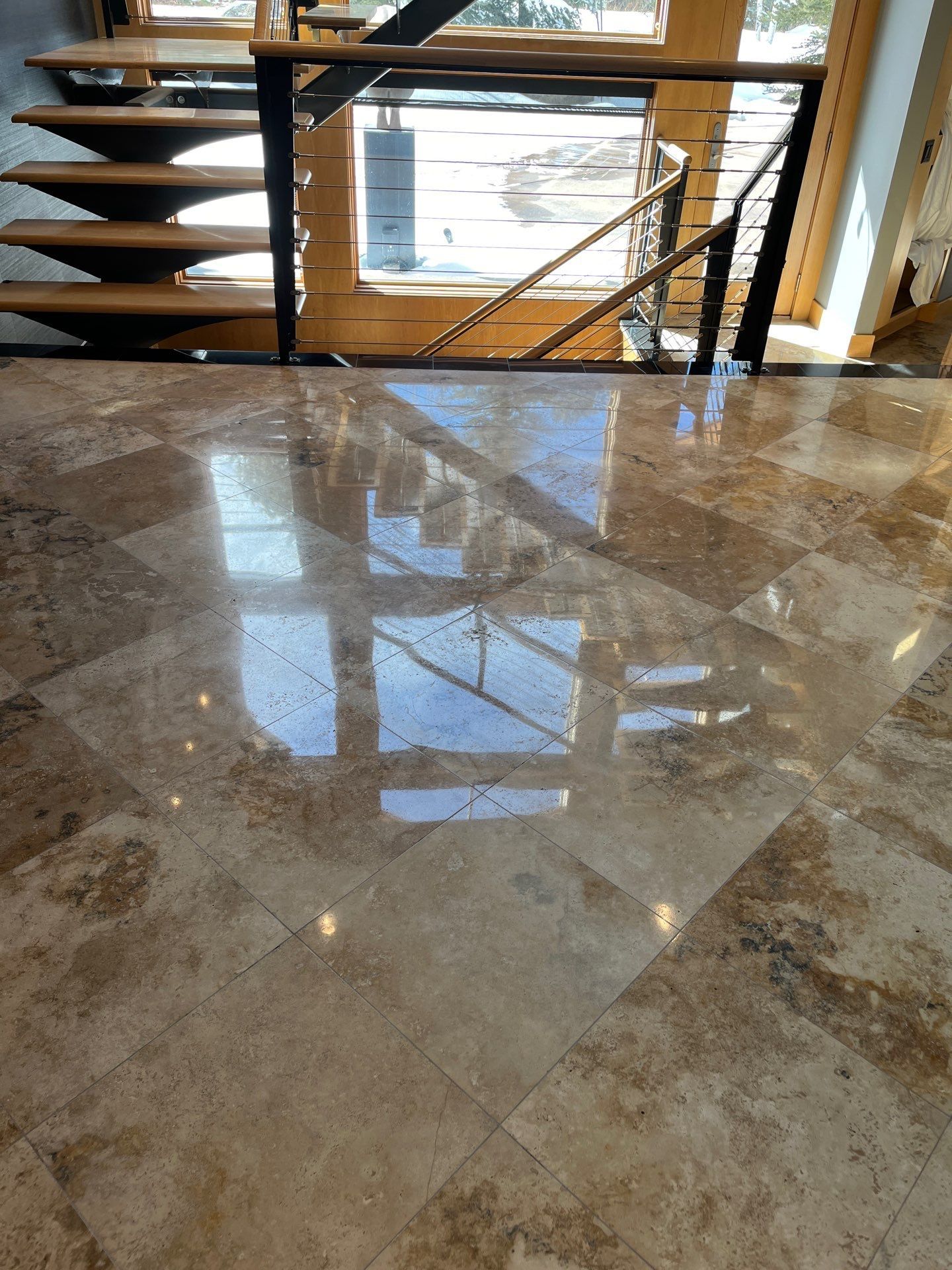
- Travertine: A softer stone with natural voids:
it demands frequent sealing and gentle cleaning to avoid damage.
Why Stone Floors Require Specialized Care
Unlike vinyl or carpet, stone flooring is susceptible to chemical damage, staining, and abrasion. Improper cleaning agents can dull the surface, while acidic substances like lemon or vinegar can etch marble and limestone. For commercial environments, this risk is amplified due to constant foot traffic, spills, and outdoor debris. Recognizing the stone type and applying the correct maintenance routine ensures longevity and aesthetic appeal.
2. Daily and Weekly Cleaning Practices
Daily Maintenance
High-traffic areas, such as hotel lobbies and office entrances, accumulate dirt, grit, and moisture that can scratch or stain stone floors. Daily care should include:
- Dry Dusting and Sweeping: Use a soft-bristle broom or dust mop to remove loose debris. Avoid using vacuum cleaners with beater bars, which can scratch the surface.
- Spot Cleaning Spills: Immediately clean spills with a damp microfiber cloth to prevent stains and etching.
Weekly Cleaning
A weekly routine complements daily care by addressing dirt that accumulates in grout lines and uneven surfaces:
- Neutral pH Cleaners: Select a stone-specific, pH-neutral cleaner to avoid chemical reactions with the flooring.
- Wet Mopping Techniques: Use a damp mop, not a soaking wet one. Excess water can seep into grout and under the tiles, weakening the substrate.
Case Example
A Front Range hotel noticed dulling in their marble lobby despite daily sweeping. After integrating weekly neutral-cleaner mopping and microfiber cloth spot cleaning, they observed a significant improvement in shine and reduced stain formation. This demonstrates how structured routines can prevent long-term damage.
3. Seasonal and Preventive Measures
Managing Environmental Challenges
Stone floors in the Front Range face seasonal stressors: snow, sand, and road salts in winter; dust and pollen in summer. These factors increase abrasion and stain risk:
- Entrance Mats: Use high-quality, non-abrasive mats to capture debris and moisture at entrances.
- Protective Coatings:
Apply sealants or topical finishes to form a barrier against water, stains, and chemical damage.
Preventive Polishing and Sealing
Periodic sealing and polishing restore protection and enhance aesthetics:
- Frequency: Depending on traffic, seal stone floors every 6–12 months. Polishing can be done annually or as needed.
- Techniques:
Utilize low-speed polishing equipment with appropriate abrasives to avoid over-polishing and heat damage.
Expert Insight
Preventive maintenance not only prolongs flooring life but reduces overall costs. Reactive repairs, such as deep stain removal or structural repair, are far more expensive than routine sealing and polishing programs. Incorporating preventive strategies is essential for high-traffic commercial properties.
4. Stain and Damage Management
Common Commercial Floor Stains
Hotels and offices encounter specific staining challenges:
- Food and Beverage Spills: Coffee, wine, and acidic foods can etch and discolor stone.
- Foot Traffic Abrasion: Sand, dirt, and grit carried in by shoes can cause micro-scratches.
- Chemical Exposure:
Cleaning agents, hand sanitizers, or accidental spills of acids can damage surfaces.
Stain Removal Techniques
Timely and appropriate intervention is key:
- Poultices for Deep Stains: Apply a clay-based poultice with a mild solvent to lift oil or organic stains.
- Buffing and Polishing: Minor scratches can often be remedied with professional buffing and polishing.
- Professional Restoration: Severe etching or structural damage may require honing or resurfacing by experts.
Preventive Protocols
Establishing clear guidelines for spill management and restricting harsh chemicals ensures minimal impact on the stone over time. Staff training in these procedures is crucial in hotel and office environments.
5. High-Traffic Area Management
Traffic Patterns and Zoning
Commercial floors experience varying levels of wear based on traffic density. Identifying high-traffic zones allows for focused care:
- Lobbies and Reception Areas: Require frequent dusting, spot cleaning, and more frequent polishing.
- Hallways and Corridors: Often need preventive mats and interim cleaning to manage abrasive debris.
Protective Measures
Implementing preventive strategies can mitigate wear and tear:
- Area Rugs and Runners: Strategically place rugs in high-traffic areas to reduce direct abrasion. Ensure rugs are slip-resistant and non-damaging to stone.
- Maintenance Signage: Place temporary “wet floor” or “cleaning in progress” signs to prevent accidental damage from moisture or cleaning chemicals.
Real-World Scenario
An office in Colorado Springs integrated heavy-duty entrance mats and area runners in hallways. Over two years, floor inspections showed significantly less surface wear compared to areas without protective measures. This reinforces the importance of traffic management in stone maintenance programs.
6. Engaging Professional Stone Care Services
When to Hire Experts
Even with daily and preventive care, professional stone maintenance is essential:
- Periodic Deep Cleaning: Professionals use specialized equipment to remove embedded dirt without damaging the stone.
- Polishing and Restoration: Advanced honing and polishing restore shine to dull or lightly damaged surfaces.
- Sealing and Protective Treatments: Experts assess the stone type and apply sealants or protective coatings appropriate for commercial use.
Choosing the Right Provider
Selecting a qualified stone care provider ensures long-term results:
- Verify experience in commercial stone care.
- Confirm use of industry-approved, non-damaging products.
- Look for evidence of successful work in similar properties or high-traffic environments.
Benefits of Professional Engagement
- Extended Lifespan: Regular professional care prevents irreversible damage.
- Consistent Appearance: Floors retain a uniform, polished look that enhances the property’s image.
- Safety and Compliance:
Proper maintenance reduces slip hazards and complies with local building standards.
Expert Insight
Investing in professional care is not a luxury; it is a strategic cost-saving measure. Properties that adhere to both routine and professional maintenance programs reduce long-term expenses associated with repairs or replacement.
Dependable Stone Floor Services Backed By Experience
Maintaining commercial stone floors in hotels and offices across the Front Range demands a balance of routine care, preventive strategies, and professional intervention. Understanding the unique characteristics of marble, granite, slate, travertine, and limestone allows property managers to apply the correct cleaning techniques and avoid damage. Daily and weekly cleaning, coupled with seasonal protective measures, prevents dirt, moisture, and abrasives from degrading surfaces. Managing high-traffic zones with mats, runners, and clear protocols ensures longevity, while proactive stain management addresses spills before they compromise the stone. Engaging professional stone care services periodically safeguards the floor’s aesthetic and structural integrity, providing lasting value and enhancing the property’s image. Consistently maintained stone floors also contribute to a positive guest and employee experience, reinforcing the overall impression of a well-managed, professional space.
For property owners seeking reliable, comprehensive stone maintenance solutions, Colorado Stone & Tile Care
in Denver, CO, offers 14
years of experience specializing in commercial stone care. Our team combines industry expertise, advanced equipment, and tailored maintenance programs to protect and enhance stone surfaces in hotels, offices, and other commercial environments. We work closely with clients to implement routine cleaning schedules, preventive sealing, and restorative polishing, ensuring floors remain beautiful, safe, and durable. With a commitment to professionalism, precision, and long-term results, Colorado Stone & Tile Care
provides trusted guidance and high-quality service that supports your property’s reputation and value. Our solutions are designed to minimize disruptions, optimize operational efficiency, and maintain the premium appearance that reflects the standards of every commercial property we serve.