
Restoring Tile and Grout in Denver-Area Showers: What Homeowners Need to Know
Showers are a central part of any bathroom, offering comfort and relaxation. Yet, over time, the tile and grout in showers can become dull, stained, or damaged due to constant exposure to water, soap, and humidity. For Denver homeowners, fluctuating weather and mineral-rich water can exacerbate these problems, leading to unsightly grout lines and worn tiles. Restoring tile and grout is more than just cosmetic—it prevents further damage, reduces mold growth, and enhances the overall hygiene of your bathroom. Understanding the restoration process is key to maintaining a clean and long-lasting shower.
Assessing the Condition
Before starting any restoration, it’s essential to assess the extent of damage. Homeowners should check for cracks, loose tiles, and heavily discolored grout. Areas with mold or mildew require special attention, as neglecting them can compromise both appearance and health. Identifying problem spots ensures a targeted approach, preventing unnecessary work or incomplete results.
Deep Cleaning and Mold Removal
Restoration begins with a thorough cleaning. Standard household cleaners often fail to remove deeply embedded grime, soap scum, and mineral deposits. Professional-grade solutions and tools, such as steam cleaners or rotary brushes, are often required to restore tile surfaces and grout lines to their original appearance. For Denver’s hard water, descaling treatments are particularly important to remove mineral buildup that can discolor grout and erode tile surfaces over time.
Grout Repair and Recoloring
Cracked or missing grout not only looks unsightly but also allows water to seep behind tiles, leading to potential water damage. Grout repair involves removing damaged sections and applying fresh grout that matches the existing lines. Many homeowners also opt for grout recoloring or sealing to enhance the bathroom’s visual appeal while protecting against future stains and moisture penetration. Sealants form a protective barrier, extending the life of restored grout.
Tile Restoration Techniques
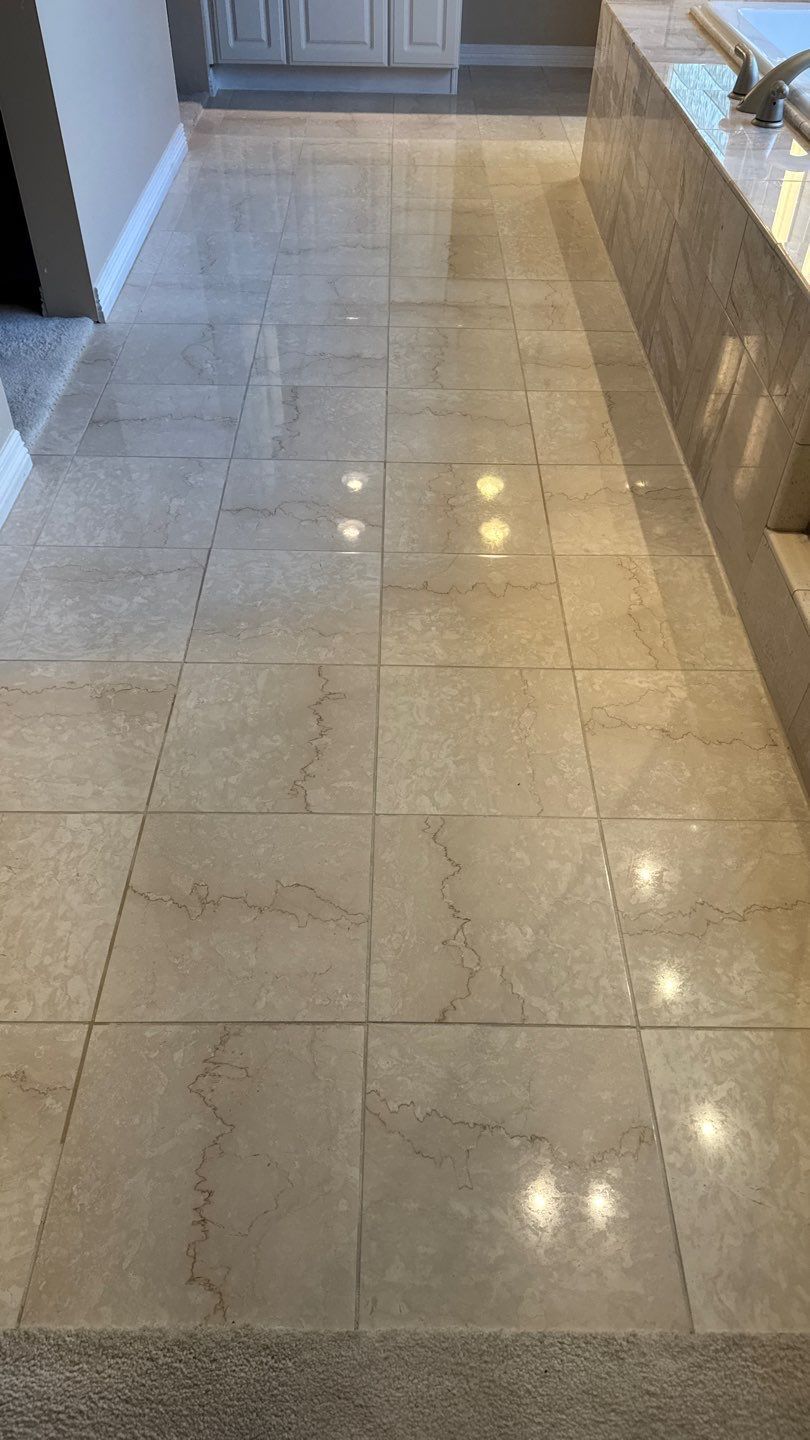
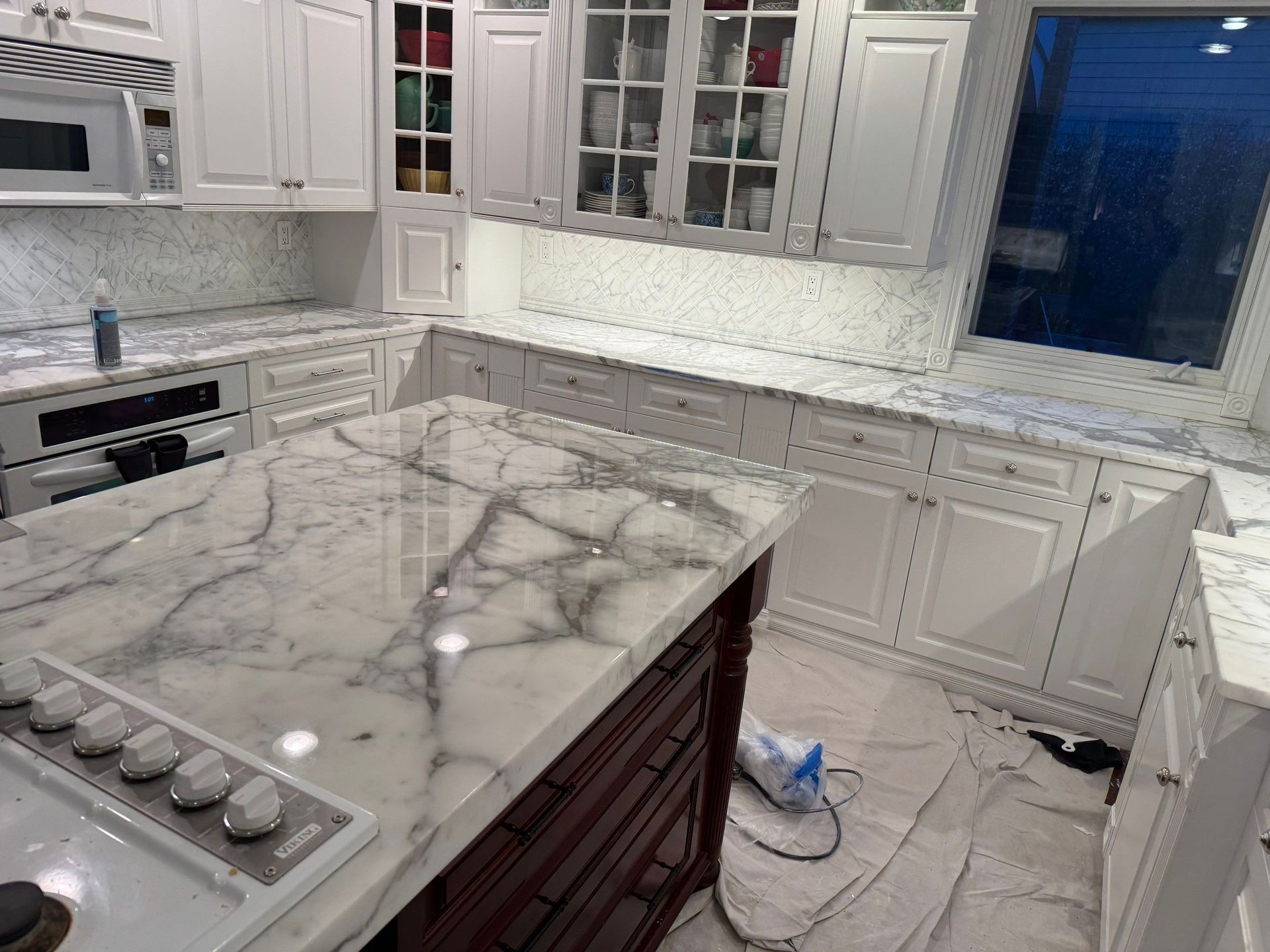
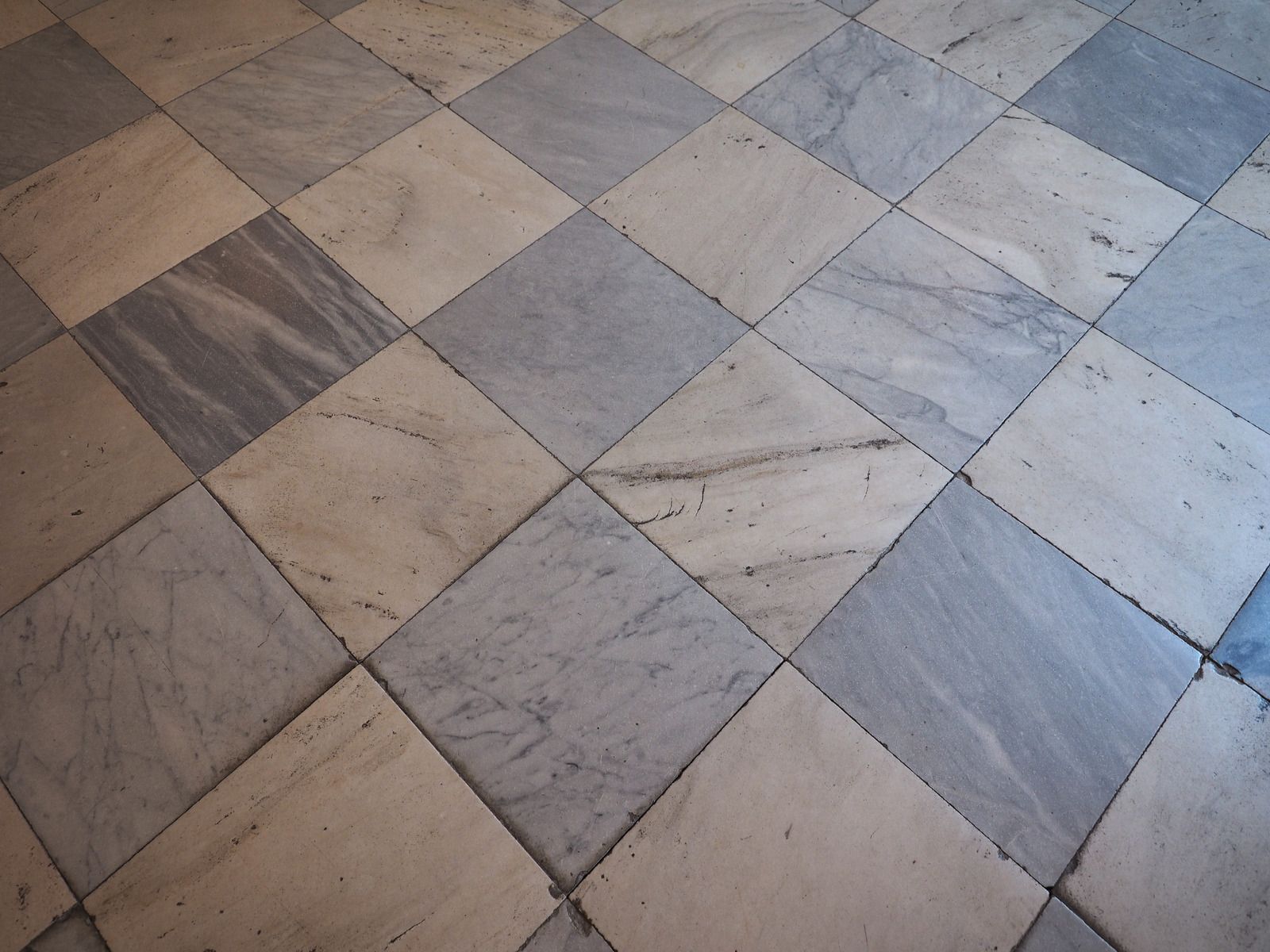
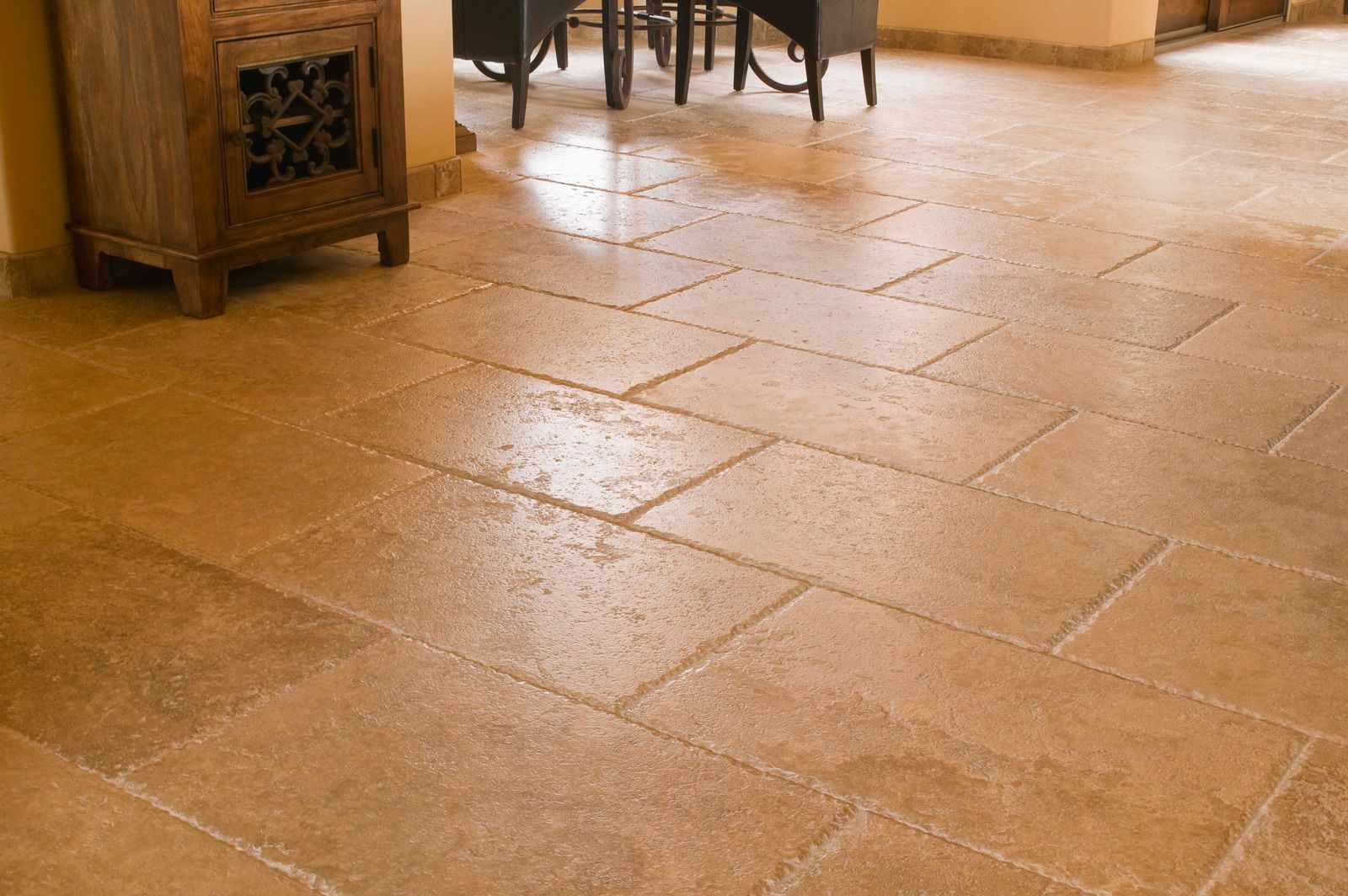
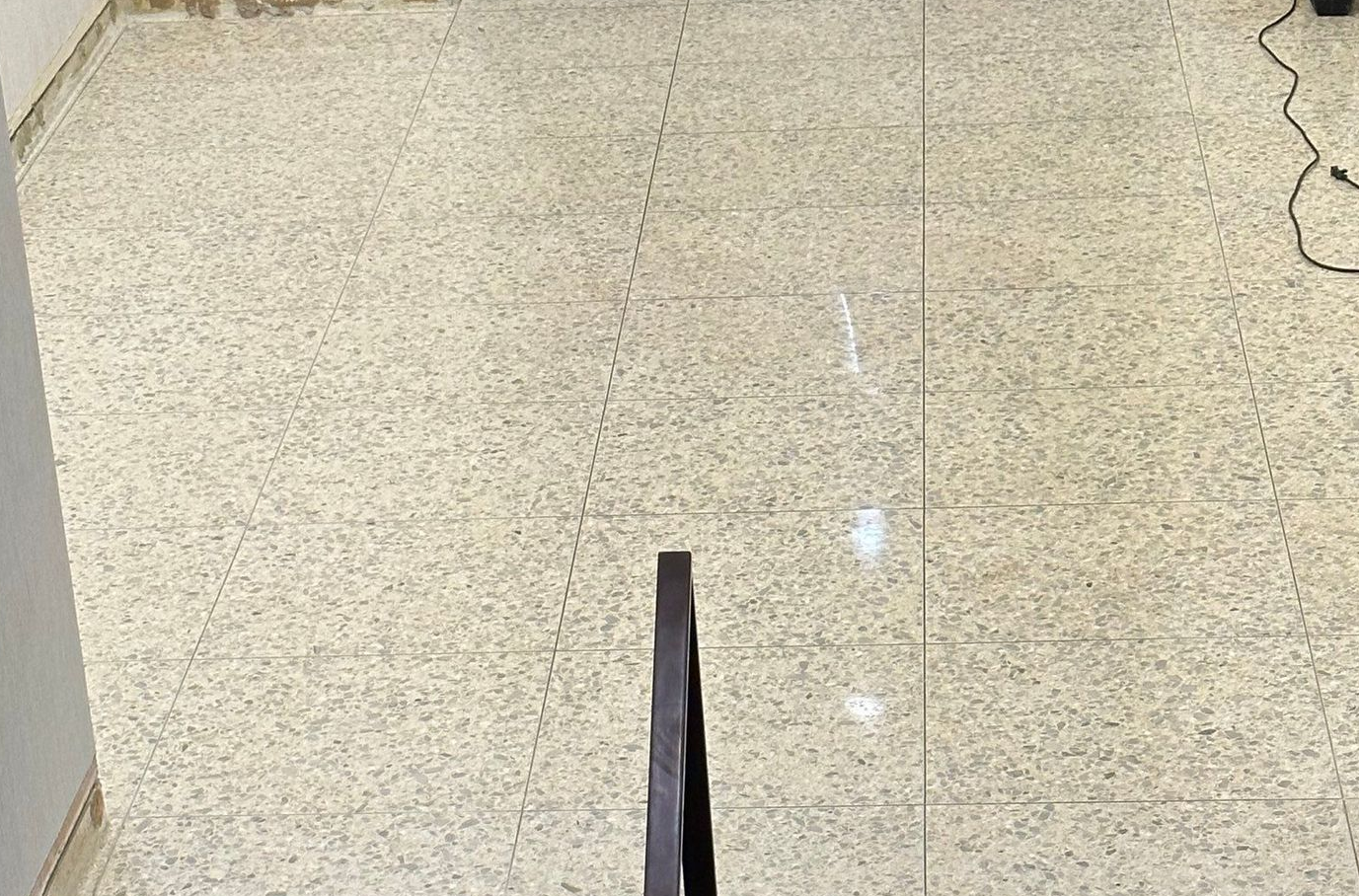
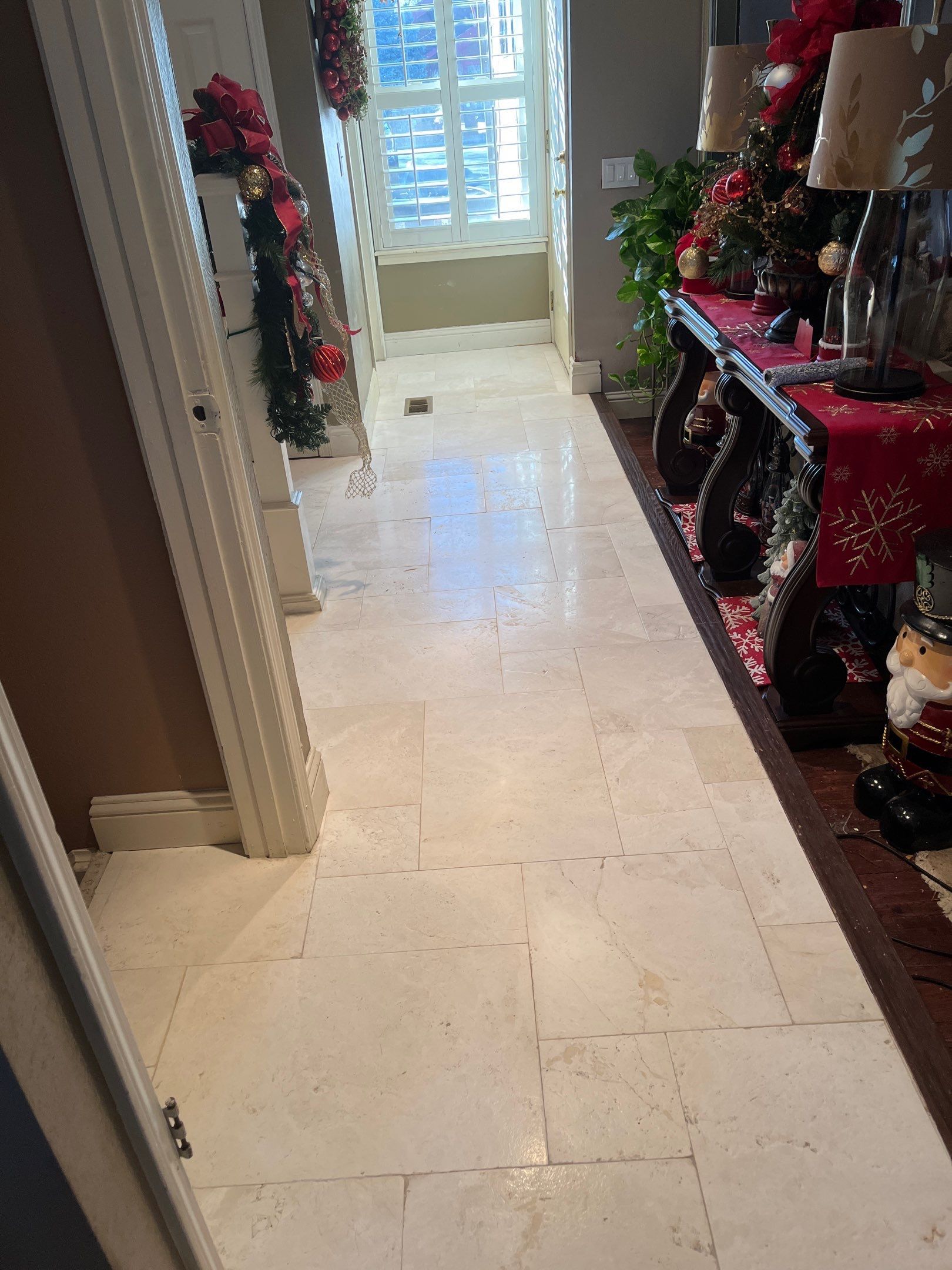
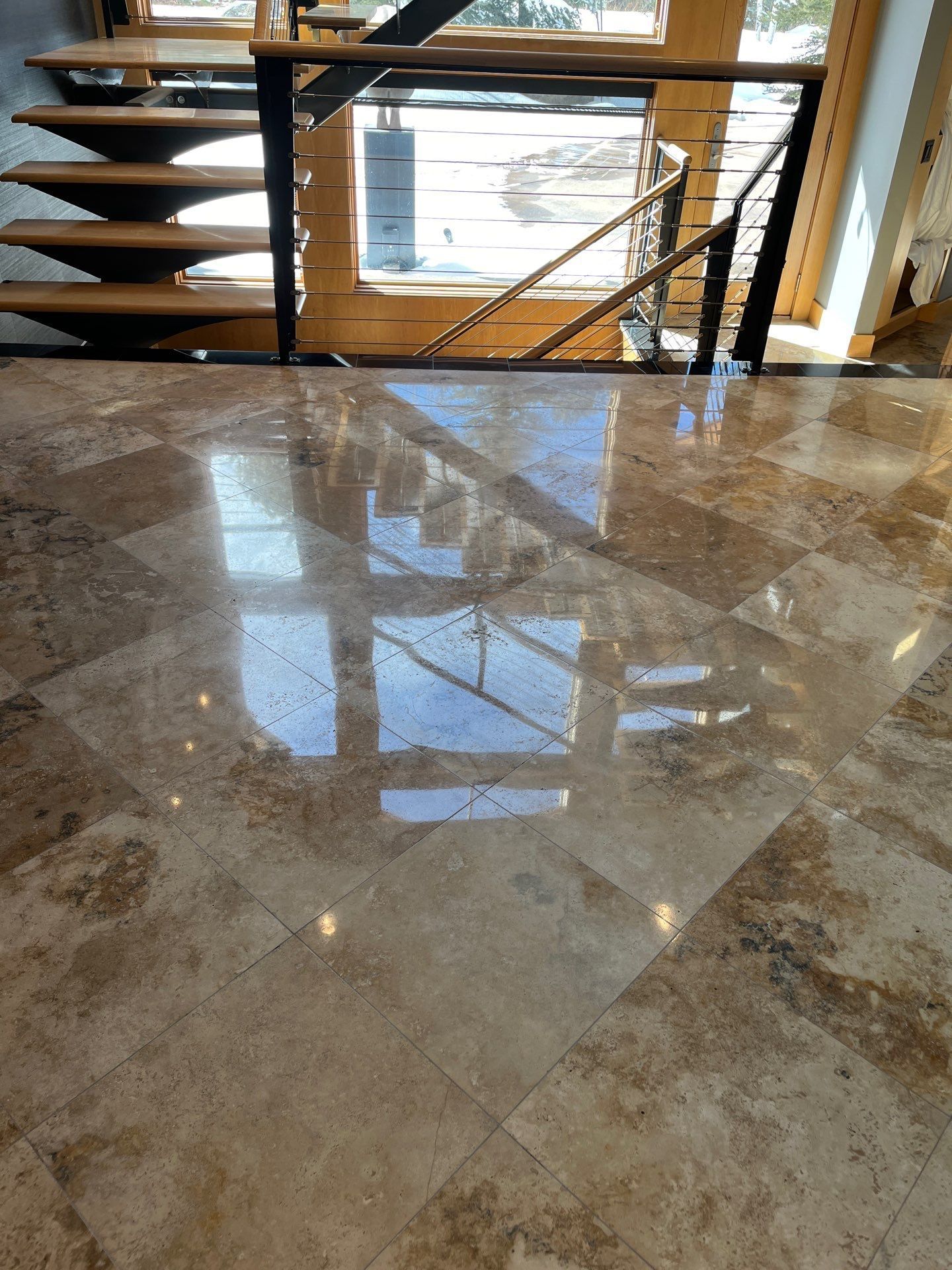
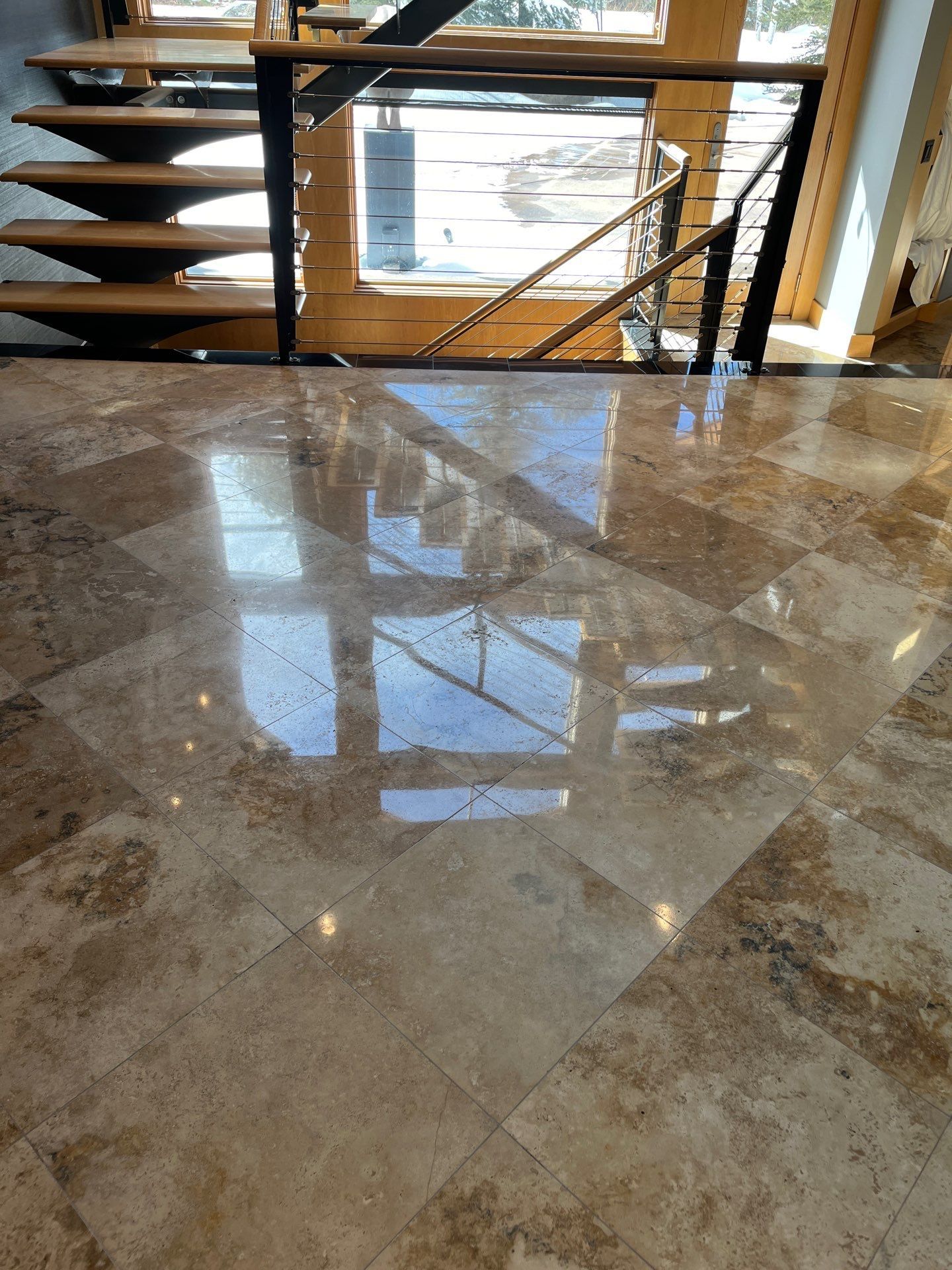
In addition to grout work, tiles themselves may require attention. Chips, cracks, or dull surfaces can often be repaired or polished rather than replaced entirely. Professional tile restoration involves filling chips, smoothing rough edges, and applying sealants that protect against moisture and staining. For natural stone tiles, specialized care ensures that the restoration process preserves the stone’s natural beauty and prevents etching or discoloration.
Preventive Maintenance
Once restoration is complete, ongoing maintenance is crucial. Regular cleaning with pH-balanced cleaners, prompt drying after use, and periodic re-sealing of grout lines will prolong the life of both tiles and grout. Homeowners who invest in preventive care often enjoy showers that look freshly installed for years, reducing the need for costly repairs in the future.
Restoration Solutions You Can Rely On
For homeowners in Denver seeking professional
tile and grout restoration, Colorado Stone & Tile Care
offers 14
years of experience in restoring showers to their original brilliance. Our team specializes in both ceramic and natural stone surfaces, providing thorough cleaning, expert grout repair, and long-lasting sealing solutions. With a commitment to quality and attention to detail, Colorado Stone & Tile Care
ensures that every shower looks clean, fresh, and well-protected against Denver’s unique water and weather challenges. Trust the experts to revitalize your bathroom today.