
What to Expect During a Professional Stone Honing and Refinishing Service in Colorado
March 21, 2026
Maintenance: What Each Finish Hides and What It Shows
This is where the two finishes really pull apart in daily life. It’s also the piece homeowners tend to underestimate before they’ve lived with a floor or counter for a year.
Polished surfaces show every mark. Scratches, water spots, dust film, and etching from acidic spills all interrupt that mirror shine, so a polished countertop or floor announces even small damage almost right away. On acid-sensitive stones like marble, limestone, and travertine, an etch mark from lemon juice or wine reads as an obvious cloudy patch precisely because there’s a reflective surface for it to disrupt.
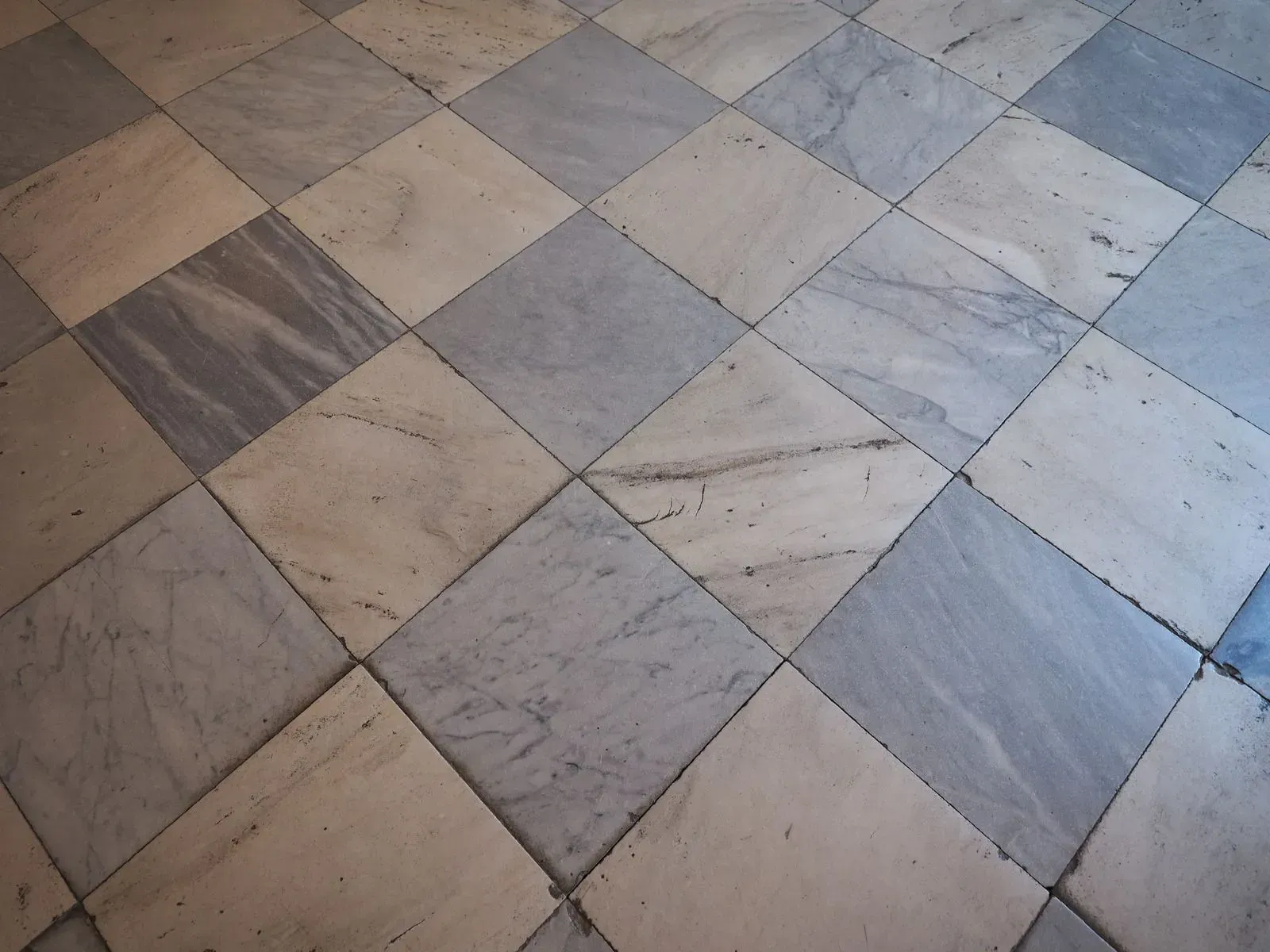
Honed surfaces mask that same wear far more effectively. No mirror shine means scratches, footprints, and light etching tend to blend into the finish instead of standing out against it. This is why honing is such a common fix for marble that’s already etched. Grinding the surface down to a fresh, even hone doesn’t just remove the damaged layer — it also leaves a finish that hides the next round of wear better than a polish would.
Both finishes still need sealing, and it matters more right after a honing job specifically. A penetrating sealer fills the stone’s pores to slow staining, and that protection has nothing to do with which finish sits on top. But honing exposes a fresh layer of stone. Skip sealing right after, and that newly opened surface is more vulnerable to soaking up spills than it was before the work even started.
pH-neutral cleaning applies to both finishes, though polished stone forgives a wrong product less easily. Acidic or abrasive cleaners can etch or scratch either surface, but the damage shows up more clearly on a polish — one more reason kitchens that see a lot of acidic spills often do better honed.
TIP: Repolishing and rehoning are not permanent, one-time decisions. High-use kitchen counters and foyers often need repolishing every one to three years, while honed surfaces in busy kitchens or commercial spaces typically go one to two years between honing services, with lower-traffic rooms stretching to three to five years. If you are not sure which schedule fits your stone, a professional evaluation based on your actual foot traffic beats guessing.
Professional Stone Care
While daily maintenance is essential, professional stone care ensures longevity and preserves aesthetic appeal. Services such as deep cleaning, polishing, sealing, and crack repair are crucial for high-end stone surfaces or large installations.
Natural stone surfaces, from granite countertops to marble flooring, add timeless elegance and value to any space. However, over time, these surfaces are prone to scratches, dullness, etching, and general wear that can diminish their beauty and structural integrity. While routine cleaning maintains surface appearance, restoring the original luster and smoothness requires professional stone honing and refinishing services. For homeowners, property managers, and business owners, understanding what these services involve ensures informed decisions, realistic expectations, and long-term satisfaction with their investment. Properly maintained stone not only elevates aesthetic appeal but also contributes to property value and longevity, making professional care an important consideration for any Colorado property. Awareness of the process allows clients to choose the right treatments and avoid costly mistakes that can arise from DIY approaches.
Stone honing and refinishing is more than a simple cleaning process. It is a meticulous, multi-step procedure that combines technical expertise, specialized equipment, and high-quality abrasives to rejuvenate stone surfaces. Whether preparing marble floors for a showroom shine or restoring a granite countertop in a busy kitchen, professional refinishing addresses imperfections that household methods cannot correct. The process enhances durability, protects against future damage, and can even prevent costly repairs in the long term. Additionally, professional stone care can bring uniformity to uneven surfaces and restore color vibrancy that has faded over years of use. For Colorado residents seeking long-lasting results, understanding each stage of the professional workflow ensures both superior appearance and maximum return on investment.
Initial Consultation and Surface Assessment
Understanding Your Stone’s Condition
The first step in any professional stone honing and refinishing project is a comprehensive surface assessment. Technicians carefully examine the stone’s type, age, and current condition to determine the most appropriate restoration approach. Each stone variety—marble, granite, travertine, limestone, or slate—has unique hardness levels, porosity, and susceptibility to staining or etching. For instance, marble, being softer and more porous, may require gentler abrasives compared to durable granite surfaces.
A proper assessment often includes identifying scratches, dull spots, chips, cracks, and etch marks caused by acidic substances or high foot traffic. Experts also consider the surrounding environment, such as exposure to sunlight, moisture, and cleaning chemicals. This evaluation allows them to tailor their honing technique to the surface’s specific needs, ensuring optimal results without unnecessary removal of material or damage to the stone.
Setting Expectations with Homeowners or Property Managers
During the consultation, professionals explain the expected outcomes, potential risks, and recommended maintenance following the service. This step is crucial in preventing misunderstandings and setting realistic goals. Clients may ask questions about the finish level—whether a matte, satin, or glossy sheen is preferable—and the technician guides them based on the stone’s characteristics and intended use. By understanding the scope of work and anticipated results, clients can make informed decisions that align with both aesthetic preferences and functional requirements.
Preparation and Safety Measures
Preparing the Work Area
Before honing begins, the work area must be carefully prepared. This process involves clearing furniture, rugs, and decor to provide unobstructed access to the stone surface. Technicians may use protective coverings on adjacent areas to prevent dust or slurry from spreading. Proper preparation ensures efficiency, minimizes cleanup time, and protects other property features from accidental damage.
Ensuring Safety and Proper Ventilation
Stone honing and refinishing produces dust and slurry that can pose health risks if not managed correctly. Professionals employ dust containment systems and ventilation techniques to maintain a safe environment. Personal protective equipment, including masks, gloves, and eye protection, safeguards the technician while ensuring compliance with industry safety standards. By prioritizing safety and preparation, professionals create optimal conditions for high-quality results, minimizing disruptions for residents or building occupants.
The Honing Process
Understanding Honing
Honing is the process of smoothing a stone surface to remove scratches, etching, and minor imperfections. Unlike polishing, which produces a glossy finish, honing creates a matte or satin surface that highlights the stone’s natural texture while reducing glare. The technique involves using progressively finer abrasives, often diamond-impregnated pads, to gradually refine the surface.
Step-by-Step Honing Procedure
Coarse Grinding: Technicians start with coarse grit abrasives to eliminate deep scratches, chips, and uneven areas. This stage removes a thin layer of the stone to reveal a fresh, uniform surface.
Intermediate Grit Refinement: Once major imperfections are addressed, finer abrasives are applied to smooth the surface further. This step ensures that scratches left by coarser pads are minimized.
Final Honing:
The last stage uses ultra-fine abrasives to achieve a consistent matte or satin finish. Experienced technicians monitor the process closely to avoid over-grinding, which can thin the stone unnecessarily.
Common Challenges During Honing
Stone honing requires precision and experience. Inconsistent pressure, improper pad selection, or overlooking moisture content can result in uneven finishes or further damage. For example, high-traffic areas often require additional attention to ensure uniform results. Professional technicians anticipate these challenges and adjust their approach accordingly, delivering a smooth, visually appealing finish that enhances both aesthetics and longevity.
Polishing and Refinishing
Achieving the Desired Surface Finish
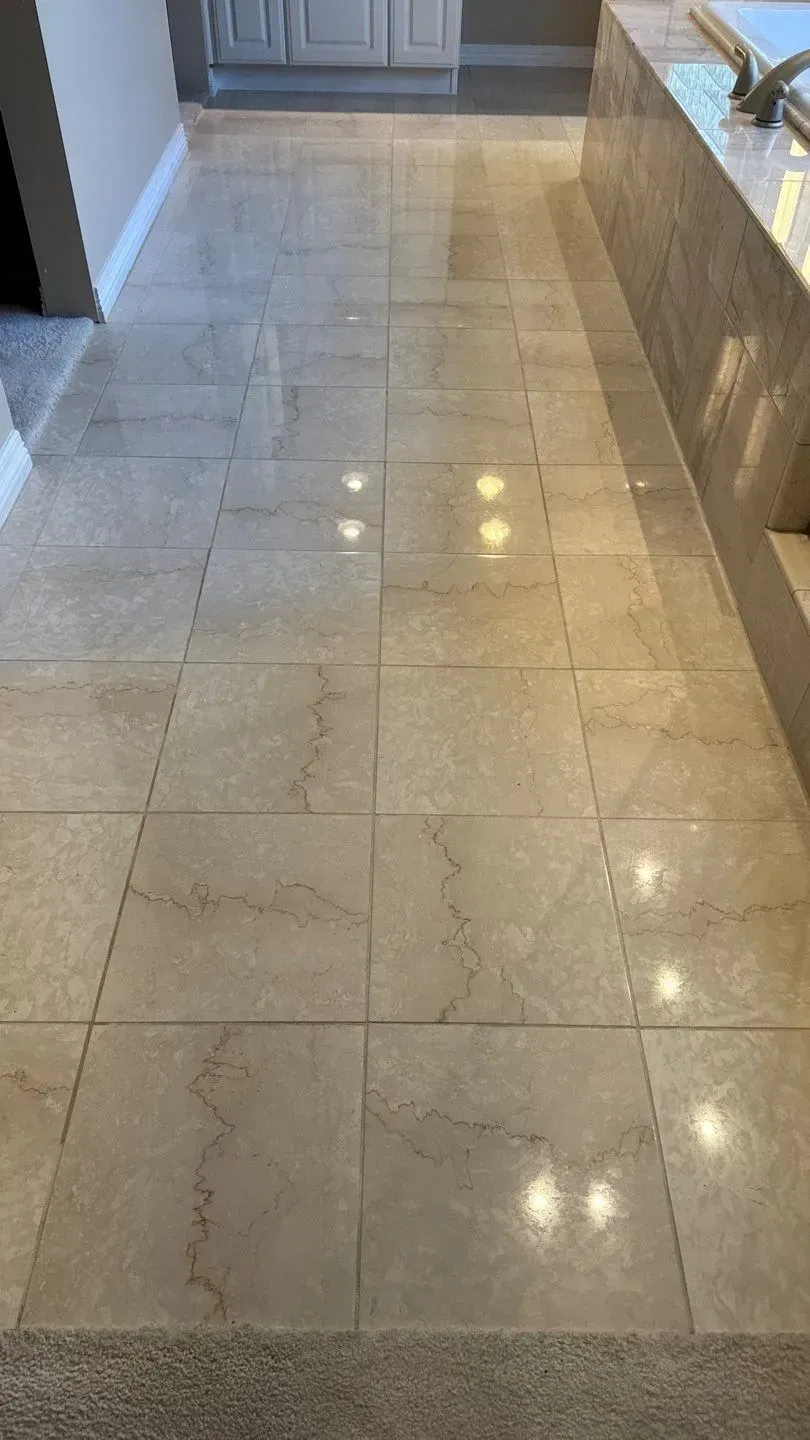
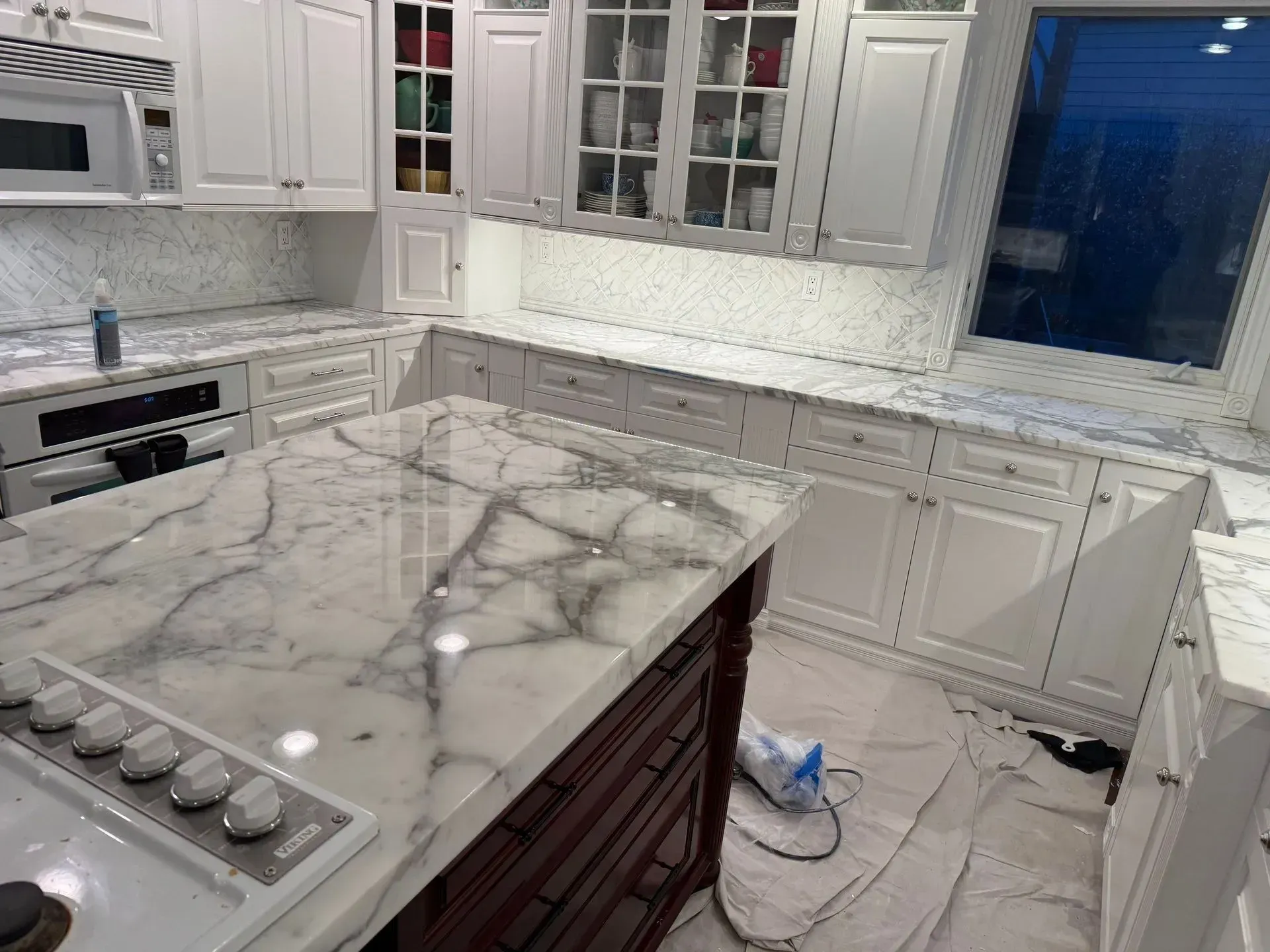
After honing, the next step is polishing or refinishing, depending on client preferences. While honing produces a matte look, polishing imparts a high-gloss, reflective sheen that highlights the stone’s natural veining and color. The process uses diamond abrasives and polishing powders tailored to the stone type, enhancing its visual appeal while sealing microscopic pores that can harbor stains.
Applying Sealers and Protective Coatings
Refinishing often includes applying sealers to protect the surface against spills, stains, and moisture penetration. Sealers penetrate the stone, forming a barrier that maintains the finish’s integrity and simplifies cleaning. Professionals select sealers based on the stone’s porosity and intended use. For instance, kitchen countertops require food-safe, durable sealers, while flooring may benefit from coatings that resist foot traffic and wear.
Real-World Benefits
Properly polished and refinished stone surfaces offer several benefits. They are easier to clean, more resistant to daily wear, and visually striking, enhancing both residential and commercial spaces. For businesses, a polished stone floor in a lobby or showroom can create a strong impression on clients and visitors. In homes, countertops, vanities, and floors regain their original elegance, extending the life of the investment.
Post-Service Maintenance and Longevity
Recommended Care Practices
Maintaining honed and refinished stone surfaces is essential for preserving their beauty and durability. Professionals provide guidance on daily and periodic care, including:
- Using pH-neutral cleaners specifically formulated for natural stone.
- Avoiding abrasive pads or harsh chemicals that can damage the surface.
- Immediately wiping spills, particularly acidic substances, to prevent etching.
- Employing rugs or mats in high-traffic areas to reduce wear.
Periodic Inspection and Touch-Ups
Even after professional service, periodic inspection ensures the stone remains in optimal condition. Minor scratches, dull areas, or etching may occur over time, especially in high-use zones. Skilled technicians can perform targeted touch-ups without requiring a full refinishing, extending the stone’s lifespan and maintaining consistent aesthetics.
Long-Term Advantages of Professional Care
Investing in professional honing and refinishing offers significant long-term benefits. Beyond restoring beauty, it enhances durability, reduces the risk of costly repairs, and increases property value. Homeowners and property managers who adhere to recommended care guidelines often enjoy surfaces that remain functional and visually appealing for decades, reinforcing the importance of professional intervention over DIY methods.
Choosing the Right Stone Care Professional
Key Qualities to Look For
Selecting a reputable stone care professional is critical to achieving successful results. Key attributes include:
Experience and Expertise: Knowledge of various stone types, their characteristics, and appropriate honing and refinishing methods.
Advanced Equipment: Access to modern, industry-standard tools that ensure precision and efficiency.
Customer-Centric Approach:
Clear communication, transparent pricing, and guidance on aftercare practices.
Questions to Ask Before Hiring
Clients should ask prospective professionals about previous projects, the types of stones they have restored, and the specific processes used. Inquiring about warranties or satisfaction guarantees also provides assurance of quality. Professionals who offer detailed consultations and tailored restoration plans demonstrate a commitment to both craftsmanship and client satisfaction.
Avoiding Common Pitfalls
Choosing inexperienced providers or attempting DIY methods can lead to uneven surfaces, excessive material removal, and permanent damage. Professional stone care minimizes these risks by combining technical expertise, quality materials, and proven techniques, ensuring that the investment is protected while delivering a visually appealing and long-lasting finish.
Skilled Technicians Delivering Exceptional Stone Finishes
Professional stone honing and refinishing is a comprehensive service designed to restore and preserve the natural beauty of stone surfaces. From initial assessments and careful preparation to precise honing, polishing, and sealing, every stage is crucial to achieving optimal results. By understanding what the process entails, homeowners and property managers can set realistic expectations, appreciate the value of expert intervention, and ensure that their stone surfaces remain both functional and visually striking for years to come.
At Colorado Stone & Tile Care, located in Denver, CO, our team brings over 15
years of dedicated experience in professional stone care. We specialize in restoring marble, granite, travertine, and other natural stone surfaces to their original elegance while providing expert guidance on maintenance and protection. Our approach combines advanced equipment, industry-best practices, and personalized attention to every project. With a commitment to quality, integrity, and customer satisfaction, we deliver results that enhance the beauty, durability, and long-term value of your stone surfaces. Trust us to revitalize your stone with precision, professionalism, and unmatched expertise.